Cosplay Culture: A Fusion of Creativity and Typography
When you hear the term Cosplay Culture, your mind might immediately jump to costumes, conventions, and characters. But there's another side to this vibrant phenomenon that often goes unnoticed — the world of typography. In design circles, Cosplay Culture is not just a theme; it's also a font that brings an expressive and dynamic flair to creative projects. This article dives into how this playful yet versatile typeface complements the broader cosplay culture and why it has become a favorite among designers and enthusiasts alike.
Understanding Cosplay Culture
Cosplay, short for "costume play," is a global subculture where fans dress up as their favorite characters from anime, manga, video games, movies, and more. It's a celebration of identity, creativity, and fandom. While the visual aspect of cosplay is its most recognizable feature, the cultural significance runs deeper. It's about storytelling, self-expression, and community. People use cosplay to step into roles they admire or even create entirely new ones, blending imagination with reality in a way few other hobbies can match.
The rise of cosplay in mainstream media and pop culture has been nothing short of meteoric. What was once a niche activity at fan conventions is now a staple at events like Comic-Con, New York Comic Con, and even international fashion shows. The internet has played a huge role in this expansion, allowing cosplayers to share their work globally and inspiring others to join in. As the culture grows, so does the need for tools that reflect its energy and aesthetics — including fonts like Cosplay Culture.
Why Typography Matters in Cosplay
Typography may seem like a minor detail when creating a cosplay costume, but it plays a crucial role in the overall presentation. Whether you're designing custom prop text, crafting posters for an event, or printing out character bios, the right font can enhance the authenticity and visual impact of your project. For many, Cosplay Culture is the go-to choice because it mirrors the boldness and flair of the cosplay world itself.
- Visual Consistency: Using Cosplay Culture helps maintain a cohesive look across all materials related to a cosplay project.
- Attention to Detail: Just like a well-made costume, the right font adds depth and professionalism to your designs.
- Emotional Resonance: The font captures the excitement and passion inherent in cosplay, making it ideal for themed content.
Cosplay Culture Font: Key Features and Uses
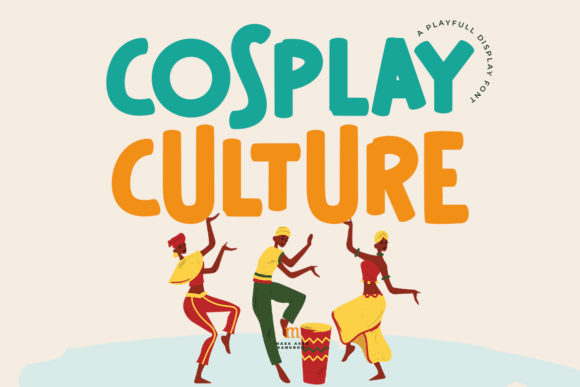
Cosplay Culture is a display font that strikes the perfect balance between whimsy and elegance. Its unique characteristics make it stand out while remaining highly readable in the right contexts. Here are some key features that define the Cosplay Culture font:
- Versatile Style: With a mix of playful curves and clean lines, the font adapts well to both casual and formal settings.
- High Legibility: Despite its decorative nature, it remains clear and easy to read in headlines and short texts.
- Unicode Support: Includes a wide range of symbols, punctuation, and special characters for enhanced customization.
- Multi-Language Compatibility: Works well in English, Spanish, French, German, and more, broadening its appeal for international users.
This font is especially popular for greeting cards, where it adds a touch of personality and charm. If you're making invitations for a cosplay party or promotional materials for a convention, using Cosplay Culture ensures your message feels engaging and on-brand. It’s also great for digital art, T-shirt prints, banners, and social media graphics.
Real-World Applications of Cosplay Culture Font
Designers and hobbyists have found countless ways to incorporate Cosplay Culture into their workflows. Below are some common applications where this font truly shines:
- Event Posters: From local meetups to large-scale conventions, the font helps draw attention and set the tone.
- Merchandise Design: Used in t-shirts, hoodies, and accessories to highlight slogans or character names.
- Digital Art Projects: Perfect for adding titles or captions to illustrations and cosplay photography.
- Branding and Logos: Companies in the geek and gaming space often adopt it to reflect a fun and youthful identity.
Imagine a poster advertising a cosplay contest at a comic book store. The title reads “Cosplay Showdown” in Cosplay Culture. It grabs the eye, conveys the theme instantly, and invites interaction. That’s the power of choosing the right font — it doesn't just communicate words, it evokes feelings and sets expectations.
Choosing the Right Font for Your Project
Selecting the right font can be overwhelming, especially if you're new to design. When considering Cosplay Culture, ask yourself these questions:
- Does my project require a font that stands out without being distracting?
- Am I aiming for a modern, youthful, or artistic aesthetic?
- Will the font be used primarily for headlines, logos, or body text?
- Do I want a font that reflects the spirit of cosplay or gaming culture?
If any of these apply, Cosplay Culture could be the perfect fit. It’s particularly effective when paired with high-contrast colors and bold visuals, making it a natural complement to the bright and varied palettes often seen in cosplay photography and merchandise.
Pairing Cosplay Culture with Other Fonts
One of the best practices in typography is pairing fonts to create visual harmony. Cosplay Culture works well with sans-serif or minimalist fonts for body text. For example, combining it with something like Montserrat or Open Sans allows the headline to take center stage while keeping the supporting text clean and legible.
Here’s a quick recommendation:
- Headline: Cosplay Culture (bold)
- Subheadline: Poppins (medium)
- Body Text: Lato (regular)
This combination offers a balanced contrast, ensuring your message is both striking and easy to digest. Remember, the goal isn’t just to choose a cool font — it's to ensure readability and usability across platforms.
Practical Tips for Using Cosplay Culture Effectively
Now that you’ve decided to use Cosplay Culture, here are some tips to help you get the most out of it:
- Use Sparingly: Because it's a display font, avoid using it for long paragraphs or body text. Save it for headers and accents.
- Experiment with Color: Try pairing it with neon hues or pastel shades to match the energetic vibe of cosplay themes.
- Consider the Medium: Digital vs. print usage may require different weight or spacing adjustments to optimize clarity.
- Match the Mood: Use bold styles for action scenes and lighter weights for romantic or fantasy elements.
For those working in graphic design software like Adobe Photoshop or Illustrator, Cosplay Culture integrates smoothly and supports advanced typographic features. You can adjust tracking, leading, and even add effects like shadows or gradients to enhance its visual appeal.
Where to Find and Download Cosplay Culture
If you’re ready to bring Cosplay Culture into your creative workflow, you’ll find it available on several reputable font marketplaces. Platforms like Fonts.com, MyFonts, and DAFont offer versions of the font, either free or for purchase depending on licensing requirements. Always check the usage rights before downloading to ensure it fits your intended purpose — whether personal, commercial, or editorial.
Some sites may also provide preview tools, letting you test how the font looks in your specific project before committing. This is especially helpful when deciding on color schemes and layout structures.
How Cosplay Culture Reflects Modern Trends
In today’s digital age, where personalization and uniqueness are valued, Cosplay Culture aligns perfectly with current design trends. It represents a shift toward more expressive and character-driven typography, which resonates with younger audiences and creatives who prioritize individuality.
Moreover, as cosplay becomes increasingly intertwined with virtual experiences — think live streams, YouTube videos, and Twitch overlays — having a font that matches the energetic and immersive nature of these platforms is essential. Cosplay Culture offers that edge, helping creators craft content that feels authentic and connected to their audience.
Its popularity among indie game developers is another testament to its relevance. Many use it for menus, title screens, or promotional materials to give their projects a distinct visual identity. In a saturated market, standing out matters — and the right font can be the difference between being noticed and being overlooked.
Examples of Cosplay Culture in Action
To better understand the versatility of Cosplay Culture, consider these real-world examples:
- A cosmic-themed greeting card uses the font for the main title, giving it a celestial feel with glowing effects.
- A YouTube channel banner for a cosplay vlogger features the font prominently, reinforcing the brand’s playful and imaginative tone.
- A fan-made zine about iconic anime characters relies on the font to highlight chapter titles and quotes.
These scenarios show how the font enhances the overall experience by visually tying the project to the culture it represents. It’s not just about looking good — it's about feeling part of something larger, which is what makes cosplay so compelling in the first place.
Common Concerns and How to Address Them
Despite its strengths, some users hesitate to use Cosplay Culture due to concerns about legibility or overuse. These are valid points, but they can be managed with thoughtful application.
For instance, if you're worried about readability, limit the font to short bursts of text rather than lengthy passages. Also, avoid layering too many effects on top of it unless necessary. Sometimes, simplicity is more effective.
Another concern is compatibility. While Cosplay Culture works well in most modern design software, always verify that it displays correctly across different devices and platforms. Testing is key to ensuring consistency in your final output.
Lastly, consider the context. This font is best suited for informal or thematic content. If you're working on legal documents, technical manuals, or anything requiring strict formality, stick to more traditional typefaces. But for branding, entertainment, and fan projects, Cosplay Culture is hard to beat.
Final Thoughts on Typographic Expression
Fonts are more than just letters — they're visual expressions of ideas, moods, and identities. Cosplay Culture exemplifies this by capturing the essence of a thriving, ever-evolving community through its design. Whether you're a seasoned designer or just starting out, incorporating this font into your projects can elevate them from ordinary to extraordinary.
So next time you're working on a cosplay-related design, remember that the right typography can do more than just look good. It can tell a story, evoke emotion, and connect people. And with Cosplay Culture, you've got a tool that’s as passionate and expressive as the community it represents.