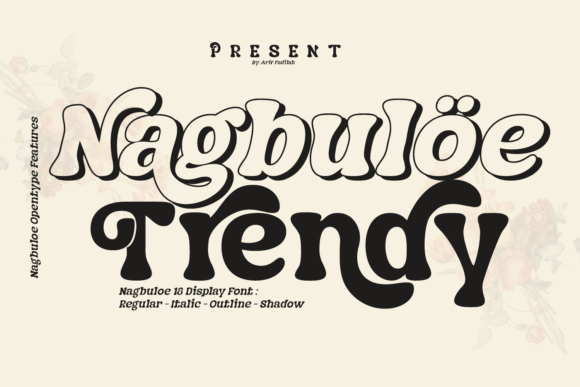
Nagbuloe: A Stylish Display Font for Modern Design Workflows
Typography plays a critical role in design, shaping the visual identity of everything from logos to marketing materials. Choosing the right font can elevate your project from ordinary to extraordinary. One standout option is Nagbuloe, a stylish and elegant display font that offers beautiful typographic harmony across a range of creative applications. Whether you're working on branding, social media content, or editorial design, Nagbuloe can serve as a powerful tool to enhance clarity, impact, and aesthetic appeal.
Understanding the Role of Display Fonts in Design
Display fonts like Nagbuloe are specifically crafted for attention-grabbing purposes rather than extended reading. They often feature unique characteristics such as exaggerated serifs, bold strokes, or intricate details that make them ideal for headlines, titles, and short-form text. These fonts are not typically used for body copy due to their complexity but shine when employed strategically in key visual elements.
In modern design workflows, especially those involving digital platforms or print-based branding, having access to high-quality display fonts is essential. They help establish tone, evoke emotion, and create a strong first impression — all of which are crucial for engaging audiences effectively.
Integrating Nagbuloe into Your Creative Projects
Nagbuloe is more than just an attractive typeface; it's a versatile asset that can be incorporated at different stages of your creative process. Here’s how you might use it before, during, and after a project:
Before the Project Begins
- Branding Development: When creating a brand identity, Nagbuloe can be used early on to define a visual direction. Its elegance and distinct character can influence decisions about color schemes, imagery, and overall style.
- Client Presentations: Use Nagbuloe in initial proposals or mood boards to showcase potential styles. It can communicate professionalism and creativity simultaneously.
- Design Research: Explore how similar fonts have been applied in successful projects. This helps determine whether Nagbuloe aligns with your target audience and project goals.
During the Design Process
- Logo Creation: Nagbuloe works exceptionally well in logo designs where uniqueness and sophistication are key. Pair it with simpler sans-serif or serif fonts to maintain balance and readability.
- Social Media Assets: For eye-catching headlines and banners, Nagbuloe adds a touch of class. Ensure proper contrast between the font and background colors for optimal legibility.
- Headline Optimization: In editorial or advertising layouts, using Nagbuloe for subheadings or pull quotes can draw attention without overwhelming the reader.
After the Project is Complete
- Quality Review: Evaluate how Nagbuloe contributes to the final output. Does it hold up across different mediums? Is it scalable for various sizes?
- Asset Management: Organize Nagbuloe within your font library for easy access in future projects. Consider naming conventions and categorization to streamline retrieval.
- User Feedback: Gather insights from end users or stakeholders to understand if the font enhances the message or distracts from it.
Workflow Compatibility and Usability
One of the strengths of Nagbuloe lies in its compatibility with major design tools and platforms. It supports common encoding standards and includes a wide range of characters, making it suitable for international use and multilingual projects. You can install Nagbuloe on Adobe Photoshop, Illustrator, Figma, Canva, and other software widely used by designers and marketers.
When integrating Nagbuloe into your workflow, consider the following tips to ensure smooth execution:
- Test Across Devices: Before finalizing a design, check how Nagbuloe appears on desktops, tablets, and mobile devices. Display fonts can sometimes render inconsistently depending on screen resolution and operating system.
- Maintain Readability: Even though Nagbuloe is a display font, avoid using it in small sizes where its ornate features may become illegible. Reserve it for larger formats where its beauty can be fully appreciated.
- Use Layering Techniques: Combine Nagbuloe with subtle shadows, outlines, or gradients to enhance depth and visibility in complex compositions.
Best Practices for Using Nagbuloe in Branding and Marketing
For entrepreneurs, marketers, and small business owners, typography is a foundational element of brand consistency. Nagbuloe can be particularly effective in building a memorable visual identity. Here are some practical ways to leverage it in branding efforts:
- Logo and Tagline Design: Use Nagbuloe for the main brand name or tagline to add a refined, artistic touch. Make sure it complements supporting graphics and layout structures.
- Packaging and Print Materials: Apply Nagbuloe to labels, posters, or brochures where it can highlight key messaging while maintaining a professional look.
- Event Promotions: From invitations to signage, Nagbuloe can create a sense of exclusivity and elegance, especially in high-end events or product launches.
Marketers should also consider how Nagbuloe interacts with other design assets. If your brand uses photography or abstract visuals, the font’s stylistic flair can either contrast or harmonize with these elements, depending on your intention. Always keep the core message front and center while ensuring the font doesn’t overpower the design.
Combining Nagbuloe with Other Fonts and Tools
To maintain a cohesive design language, pair Nagbuloe with complementary fonts. Since it's a decorative display font, it pairs best with clean, minimalistic typefaces that allow it to stand out. Some popular combinations include pairing it with Helvetica, Roboto, or Lato for body text or secondary headings.
Additionally, consider how Nagbuloe integrates with other tools in your design ecosystem:
- Adobe Creative Cloud: Install Nagbuloe in your font manager for seamless access across Photoshop, Illustrator, and InDesign.
- Figma and Sketch: Import the font into these vector-based tools to work collaboratively with teams and maintain consistent styling across multiple artboards.
- Web Implementation: If using Nagbuloe online, ensure it’s properly embedded via web font services like Google Fonts or Adobe Fonts for cross-browser compatibility.
Remember, the goal is to create a hierarchy that guides the viewer’s attention. Nagbuloe should be used sparingly to avoid visual clutter, especially when paired with other decorative elements like icons or illustrations.
Optimizing for Long-Term Use and Consistency
While Nagbuloe is visually appealing, long-term use requires thoughtful planning. Establish clear usage guidelines in your brand style guide to prevent misuse and ensure consistency across all touchpoints. Define when and where it should appear — for instance, only on website headers or event banners — and provide examples of acceptable pairings.
For educators and bloggers, Nagbuloe can be used in presentations or article titles to make content more engaging. However, always back it up with a fallback font in case the user doesn't have it installed locally. This ensures accessibility and maintains the intended design even when technical constraints exist.
Freelancers and publishers might benefit from storing Nagbuloe in cloud-based libraries so they can access it across devices and share it with clients or collaborators without distribution issues. This approach supports efficient collaboration and reduces the risk of version mismatches.
Implementation Tips for Different Industries
Depending on your industry, the way you implement Nagbuloe will vary slightly. Here are some tailored suggestions:
For Entrepreneurs and Startups
Startups often need to build a strong identity quickly. Nagbuloe can help craft a distinctive logo or slogan that reflects innovation and quality. Use it in pitch decks and landing pages to reinforce brand voice and attract investors or customers.
For Educators and Bloggers
Bloggers and educators can use Nagbuloe to highlight key takeaways, section headers, or motivational quotes in posts and courses. This can break up dense content and make it more scannable and visually engaging.
For Marketers and Advertisers
Marketing professionals should focus on using Nagbuloe in ad campaigns and promotional material where visual impact is vital. It can help differentiate your brand in crowded spaces like billboards, ads, or email subject lines.
For Small Business Owners
Small businesses looking to build a local presence can apply Nagbuloe in storefront signs, packaging, and promotional flyers. Its elegance can help convey trustworthiness and professionalism.
Practical Examples of Nagbuloe in Action
Let’s explore a few real-world scenarios where Nagbuloe could be a valuable addition:
- Product Launch Poster: A boutique skincare brand wants to announce a new line of luxury products. They use Nagbuloe for the headline “Glow Naturally,” paired with minimalist body text and soft pastel tones to reflect the brand’s values.
- Social Media Campaign: A travel agency creates a series of Instagram posts featuring destination names in Nagbuloe, with supporting information in a neutral sans-serif. The combination draws attention while keeping the content digestible.
- Corporate Presentation: An educational technology startup uses Nagbuloe in the title slide of their investor pitch deck. The font conveys innovation and sophistication, setting the right tone for the presentation.
These examples demonstrate how Nagbuloe can be adapted to suit diverse needs while maintaining its core aesthetic value. By applying it thoughtfully, you can significantly enhance the visual storytelling aspect of your work.
Ensuring Accessibility and Responsiveness
Accessibility is a key consideration in any design choice. While Nagbuloe is a display font, its structure and spacing should still be evaluated for legibility. Avoid using it in contexts where large amounts of text must be read quickly, such as infographics or data-heavy reports.
Also, test Nagbuloe on different platforms and screen sizes. For example, if you're designing a website header with this font, ensure it scales well on mobile and remains readable. Responsive design techniques like adjusting font weight or adding stroke effects can help maintain visibility across all formats.
Organizing Your Typographic Workflow
Having a structured workflow is important for maintaining efficiency and consistency. Here’s how you can organize your use of Nagbuloe and other fonts:
- Font Inventory: Keep a list of all fonts used in your projects, including Nagbuloe. Note its purpose, file format, and licensing terms.
- Style Guides: Document how Nagbuloe is used in different contexts. Include size ranges, color variations, and spacing rules for each application.
- Version Control: Store font files in a centralized location accessible to your team. This avoids confusion and ensures everyone is using the correct variant.
By organizing your typographic choices, you reduce decision fatigue and improve the scalability of your design process. Nagbuloe becomes part of a broader system, not just a one-off aesthetic choice.
Conclusion
Nagbuloe is a display font that brings elegance and visual interest to a wide array of design projects. Its adaptability makes it a valuable resource for professionals and creators alike, whether in branding, publishing, education, or digital marketing. When integrated carefully and thoughtfully, it can enhance your message, support your workflow, and contribute to a stronger visual identity.
As with any design element, success with Nagbuloe comes down to preparation, understanding its limitations, and knowing when to apply it most effectively. By doing so, you’ll ensure your projects remain both stylish and functional — striking the perfect balance between form and function in today’s competitive creative landscape.