Standing: A Modern Serif Display Font for Sophisticated Design
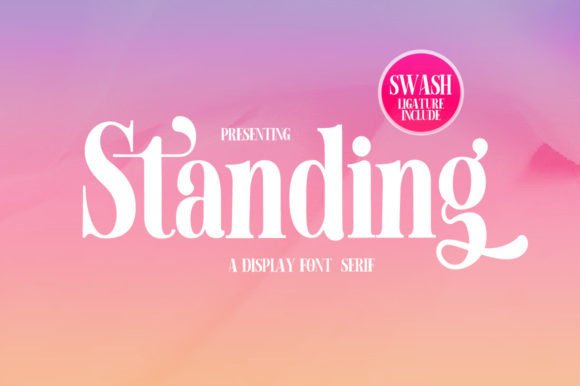
Standing is a contemporary serif display font that combines elegance with modern aesthetics. Designed to add a touch of sophistication and fashion-forward appeal to visual projects, it stands out as a versatile choice for creatives looking to elevate their typography without compromising on readability or style.
What Makes Standing Unique?
At its core, Standing is a serif typeface, meaning it features small decorative strokes at the ends of characters—traditionally associated with formal and traditional designs. However, what differentiates it from classic serifs is its clean, minimalist structure and balanced proportions. These characteristics give it a distinctly modern feel while still retaining the refined qualities of traditional serif fonts.
The font’s design is optimized for display use, which means it shines best in larger sizes where its details can be fully appreciated. It offers excellent legibility even at high contrast levels, making it suitable for both print and digital applications such as posters, branding materials, website headers, and editorial design.
Why Consider Standing for Your Project?
If you're seeking a font that bridges the gap between classic charm and modern simplicity, Standing could be an ideal candidate. Its sophisticated appearance makes it particularly appealing for industries like fashion, luxury goods, lifestyle content, and professional services where a polished and elegant look is essential.
- Modern Elegance: The font brings a fresh take to serif typography, avoiding the heaviness often found in more traditional options.
- Design Versatility: With multiple weights and styles, Standing allows for dynamic use across various elements within a single project.
- Professional Appeal: It conveys authority and trustworthiness, making it well-suited for corporate identities and marketing materials.
Benefits and Tradeoffs of Using Standing
Like any font, Standing has its strengths and limitations. Understanding these will help you determine whether it aligns with your design goals.
Key Benefits
- High Visual Impact: Its bold, confident structure ensures it grabs attention when used in headlines or key text areas.
- Customizable Style: With variations in weight and slant, designers have room to experiment with tone and emphasis.
- Timeless Quality: While modern in design, Standing avoids trends that may date quickly, offering longevity in visual appeal.
Potential Tradeoffs
- Limited Character Set for Some Languages: As a display font, it may not support extensive language coverage compared to system fonts or full-family commercial typefaces.
- Not Ideal for Long Text: Because it's a display font, using it for large blocks of body copy might reduce readability, especially in smaller sizes.
- May Require Complementary Fonts: For complex layouts, pairing it with a more neutral sans-serif or secondary serif can help maintain balance and hierarchy.
Situations Where Standing Excels
Standing is best suited for situations where typography plays a central role in the message or aesthetic. Here are some scenarios where it can make a strong impression:
- Branding Projects: Its stylish yet professional nature works well for logos, taglines, and brand statements that aim to convey confidence and class.
- Editorial Design: When used for headings or pull quotes in magazines, blogs, or brochures, Standing adds a refined edge without overwhelming the layout.
- Web Headers and Titles: In web design, it performs exceptionally in hero sections, banners, and title bars, especially when paired with a lighter supporting font.
- Event Invitations and Posters: Its dramatic presence suits high-impact designs like event flyers, invitations, and exhibition signage.
When to Look for Alternatives
While Standing is a powerful tool, it isn't always the right fit. If your project involves long-form reading or requires a more casual, approachable tone, consider alternatives that prioritize readability and comfort in body text. For example:
- Serif Body Fonts: Options like Georgia or Times New Roman offer better readability for extended passages but lack the stylistic flair of Standing.
- Sans-Serif Fonts: Clean, modern sans-serif fonts like Helvetica Neue or Lato provide a more utilitarian look and are better for digital interfaces or minimalistic designs.
- Script or Handwritten Fonts: If you're aiming for a personal or artistic vibe, a script font might be a better match than the structured formality of Standing.
Practical Tips for Choosing Standing
Before committing to Standing, evaluate how well it fits your specific needs. Ask yourself the following questions:
- Does my project require a bold, impactful headline or title?
- Am I targeting a demographic that values sophistication and modernity?
- Will the font be used primarily in large sizes, or do I need it for body text?
- Is there a complementary font I can pair with it to maintain typographic harmony?
Testing Standing in real-world mockups can also help you gauge its effectiveness. Pay attention to how it interacts with colors, spacing, and other design elements. A font that looks great in isolation may not perform as well in context.
Final Thoughts
Standing is a standout option for those who want to blend modernity with tradition in their design work. Its ability to command attention and exude sophistication makes it a valuable asset in creative arsenals. However, it’s important to weigh its benefits against potential drawbacks and ensure it supports—not hinders—the overall communication of your project.
By carefully considering your audience, purpose, and design context, you can decide whether Standing is the right font to bring your vision to life. When used appropriately, it can transform ordinary layouts into visually compelling pieces that resonate with viewers on a deeper level.