Old Spokes: A Vintage-Inspired Font That Elevates Creative Projects
In the ever-evolving world of design, typography plays a pivotal role in shaping visual communication. Whether you're crafting a brand identity, designing marketing materials, or working on personal creative projects, the right font can make all the difference. Old Spokes, a vintage-style display font, has emerged as a standout choice for professionals and creatives looking to infuse their work with timeless charm and bold character.
What Is Old Spokes?
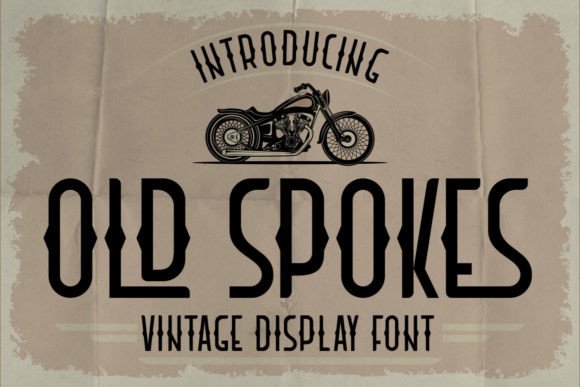
Old Spokes is a masterfully designed typeface that blends the warmth of traditional letterpress printing with modern digital flexibility. Its aesthetic draws inspiration from classic typewriters and retro signage, offering a nostalgic yet stylish appearance that works well across various mediums. The font features unique glyphs, ligatures, and characters, making it ideal for headlines, logos, posters, and other high-impact design elements.
One of its most notable attributes is that it is PUA (Palette User Area) encoded. This means users can access an extensive range of special characters and ligatures without requiring advanced font knowledge or software. For designers who want to streamline their workflow while maintaining creative control, this feature is invaluable.
Vintage Typography in a Modern World
The resurgence of vintage aesthetics in contemporary design is no accident. Across industries—from fashion and branding to web development and lifestyle content—there's a growing appreciation for styles that evoke authenticity, craftsmanship, and history. Old Spokes taps into this trend by offering a font that feels both nostalgic and relevant.
This kind of typography resonates particularly well with brands aiming to establish a heritage feel or communicate a sense of tradition. Coffee shops, boutique retailers, and independent artists often use vintage fonts like Old Spokes to differentiate themselves in a crowded market and connect with audiences who value uniqueness and storytelling.
Why Designers Are Paying Attention
Designers are always on the lookout for tools that help them stand out. With so many sans-serif and minimalist fonts dominating the digital landscape, there’s a strong demand for alternatives that offer personality and flair. Old Spokes fills this niche perfectly by providing a visually rich option that doesn’t compromise on readability when used appropriately.
Its appeal extends beyond just the look. Because it’s built with modern usability in mind, including support for a wide array of symbols and ligatures, it allows for more expressive and dynamic text treatments. This makes it especially useful for those working in graphic design, illustration, and even motion graphics where custom character sets can enhance the final product.
Adapting to Changing Design Needs
As user preferences shift toward more personalized and artisanal experiences, the need for distinctive typography becomes more pronounced. Today’s consumers are not only looking for products and services that function well—they also want them to reflect their values and tastes. This has led to a rise in bespoke design choices, including hand-drawn illustrations and vintage-inspired fonts like Old Spokes.
Freelancers and entrepreneurs benefit from this trend by leveraging such fonts to create more memorable visuals. In a competitive environment, standing out is essential. Using Old Spokes can help designers craft logos, social media assets, and print materials that immediately grab attention and leave a lasting impression.
Real-World Applications
- Brand Identity: Many small businesses have adopted Old Spokes to convey a sense of authenticity. A local bakery might use it in packaging and signage to suggest a “homemade” feel, while a vintage clothing store could use it to reinforce its retro theme.
- Marketing Campaigns: Marketers often turn to vintage fonts to tap into emotional resonance. Old Spokes can be used effectively in promotional materials for retro-themed events, limited-edition products, or campaigns targeting older demographics.
- Web Design: While primarily a display font, Old Spokes can add a unique touch to website headers, call-to-action buttons, or background elements. When paired with a clean body font, it helps maintain readability while still delivering a bold visual statement.
- Print Media: Brochures, invitations, and book covers are prime opportunities to showcase Old Spokes’ elegance. Its detailed strokes and character set allow for creative layouts that go beyond standard text formatting.
Connecting to Larger Industry Trends
The popularity of Old Spokes isn't isolated—it reflects broader shifts in how we perceive and interact with visual content. In the creative industry, there's a move away from homogenized, mass-produced designs toward more individualistic and meaningful aesthetics. This shift is driven by both technological advancements and changing consumer expectations.
With the rise of digital tools, more people than ever before are engaging in creative work. As a result, the demand for high-quality, unique resources like fonts has skyrocketed. Platforms such as Adobe Fonts, Google Fonts, and independent font foundries now cater to millions of designers worldwide. In this context, Old Spokes serves as a powerful asset for those seeking to express originality without sacrificing professionalism.
The Role of Technology in Font Accessibility
Modern font technologies have made it easier than ever to incorporate complex typefaces into everyday workflows. Thanks to PUA encoding, Old Spokes offers an intuitive experience for both beginners and seasoned designers. Users can easily access alternate characters and stylistic variations through the glyph panel in design software like Adobe Illustrator or Photoshop, allowing for greater customization and creativity.
Moreover, with the increasing use of variable fonts and cross-platform compatibility, designers are able to adapt Old Spokes to different formats and devices seamlessly. This ensures that the font remains effective whether it's displayed on a smartphone screen or printed on a billboard.
Meeting Evolving Consumer Expectations
Consumers today are more discerning than ever. They seek brands and content that tell a story and evoke emotion. Typography, as a key component of visual communication, plays a central role in achieving these goals. Old Spokes enables designers to craft messages that feel authentic and handcrafted, which can foster deeper engagement with audiences.
For example, a wellness brand using Old Spokes in its logo design may aim to project a sense of simplicity and timelessness. Similarly, a music festival promoting a throwback event could use the font in promotional materials to instantly signal the retro vibe they're going for. These practical applications demonstrate how the font aligns with current trends in experiential marketing and brand storytelling.
Workflow Integration and Practical Benefits
Integrating Old Spokes into a design workflow is straightforward. Once installed, it behaves like any other font but adds an extra layer of creative depth due to its comprehensive glyph library. Designers can experiment with different character shapes, ligatures, and stylistic alternates to find the perfect match for their project.
Additionally, because it's optimized for digital use, it loads quickly and renders cleanly across platforms. This efficiency is crucial in fast-paced environments where meeting deadlines is paramount. The balance between style and functionality makes Old Spokes a favorite among professionals who value both artistic expression and productivity.
Looking Ahead: The Future of Vintage Typography
While Old Spokes is rooted in a classic design sensibility, it’s also positioned to thrive in the future of typography. As AI-driven design tools become more prevalent, the ability to customize and differentiate one's work will become increasingly important. Fonts like Old Spokes provide that edge, offering unique visual characteristics that resist automation and remain distinctly human in their creation.
Furthermore, the trend toward hybrid workspaces and remote collaboration has increased the need for versatile design assets. Old Spokes fits this need by being adaptable across digital and physical outputs, ensuring consistency and impact regardless of the medium.
How to Get Started with Old Spokes
- Acquire the Font: Look for Old Spokes at reputable font foundries or marketplaces that offer high-quality display typefaces. Make sure to choose a license that matches your intended usage—whether personal or commercial.
- Install and Explore: Once downloaded, install the font on your computer or import it into your preferred design application. Take some time to explore its glyph set and ligatures to understand the full range of options available.
- Experiment with Pairings: To maximize its effectiveness, pair Old Spokes with complementary fonts. A contrast between a vintage display font and a modern sans-serif can yield striking results.
- Apply Thoughtfully: Use the font in contexts where it can shine. Avoid overusing it in body text, and instead reserve it for headlines, titles, or decorative elements to maintain clarity and impact.
Conclusion
Old Spokes is more than just another font—it’s a tool that empowers designers to create visually compelling and emotionally resonant work. By combining vintage charm with modern usability, it meets the needs of today’s creative professionals while staying true to the timeless appeal of classic typography. As the design landscape continues to evolve, fonts like Old Spokes will play a vital role in helping individuals and brands stand out through thoughtful, intentional aesthetics.
Whether you’re a marketer, entrepreneur, or designer, incorporating Old Spokes into your toolkit can elevate your projects and help you connect with your audience in a more meaningful way. Embrace the blend of old-world style and new-world functionality, and discover how this font can become a cornerstone of your creative process.