Rumer Font: A Timeless Choice for Modern Design
Typography plays a subtle yet powerful role in shaping how we perceive messages, brands, and visual content. Choosing the right font can elevate your project from ordinary to extraordinary. Rumer is one such font that stands out with its elegance and versatility. Whether you're crafting a logo, designing product packaging, or simply enhancing a blog post, Rumer brings a unique charm that resonates across different mediums.
What Makes Rumer Special?
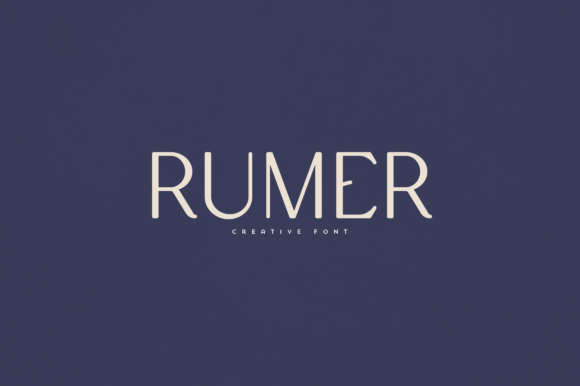
Rumer is a serif typeface that blends traditional aesthetics with contemporary readability. Its slightly rounded edges and balanced proportions make it both classic and approachable. Unlike many fonts that lean too heavily into either formality or informality, Rumer walks the line perfectly — making it suitable for a wide range of applications without ever feeling out of place.
This font doesn’t just look good; it feels good. The weight and spacing are carefully designed to ensure legibility even at smaller sizes, which is crucial when it comes to branding and editorial design. It’s also available in multiple weights and styles, giving you flexibility without compromising on its signature grace.
Branding Projects That Benefit from Rumer
Entrepreneurs and small business owners often struggle with creating a brand identity that feels authentic and professional. Rumer offers a solution by adding a touch of sophistication that aligns well with luxury, lifestyle, and artisanal brands. For example, a boutique coffee shop might use Rumer in their logo and signage to evoke a sense of warmth and quality. The font's soft curves and refined structure create an inviting atmosphere, helping customers connect emotionally with the brand.
- Logos: Rumer’s elegant feel works especially well for logos that aim to communicate trust and class. Think of a high-end fashion label or a wellness studio using this font to reinforce their brand values.
- Business Cards: When you want something memorable but not overly flashy, Rumer delivers a perfect middle ground. It ensures your contact info is clear while leaving a lasting impression.
- Social Media Profiles: Brands looking to maintain a consistent and polished image across platforms can rely on Rumer to keep their typography cohesive and stylish.
A Real-World Scenario
Imagine you’re launching a new skincare line targeting eco-conscious consumers. You want your packaging to reflect natural ingredients and a commitment to sustainability. By choosing Rumer for your product labels and box designs, you introduce a level of refinement that subtly signals quality and care. Customers who pick up your product will instantly notice the attention to detail in the typography, reinforcing their perception of your brand as premium and trustworthy.
Home-Ware and Lifestyle Designs
For hobbyists and creators in the home decor space, Rumer is a go-to choice. It adds a personal, handcrafted feel to items like mugs, posters, and greeting cards. If you're running a print-on-demand store selling minimalist home décor, using Rumer in your text overlays can give your products a distinctive edge over generic offerings.
Consider a printable wall art design featuring a motivational quote. With Rumer, the message becomes more than just words — it transforms into a visual statement. The font’s character helps turn simple phrases into meaningful expressions, making your designs stand out in a crowded market.
Why It Works for Home-Ware
- It complements neutral and earthy color palettes common in modern home design.
- The font’s subtle personality makes it ideal for personalized gifts or custom prints.
- Its readability means it won’t lose clarity when printed on textured materials like ceramics or fabric.
Magazines and Editorial Content
Editors and publishers often seek fonts that are both beautiful and functional. Rumer shines in editorial contexts where a balance between style and substance is key. In magazine headers, it adds a touch of class without overwhelming the reader. The font’s ability to handle long passages of text makes it equally valuable for body copy in certain layouts, especially when paired with a clean sans-serif for contrast.
Take a lifestyle magazine focused on travel and culture. Using Rumer for headlines and pull quotes can evoke a sense of timeless exploration and storytelling. Readers may not consciously notice the font, but they’ll appreciate how it enhances the overall reading experience with its gentle rhythm and visual harmony.
Designing with Purpose
When using Rumer in editorial design, consider how it interacts with other elements on the page. For instance, if your layout includes photos of landscapes or architecture, Rumer’s organic feel will harmonize beautifully with those visuals. It's a font that respects the content it supports, making it a favorite among designers who prioritize aesthetics and function in equal measure.
Digital Content and Blogging
Blogs and websites need fonts that are easy on the eyes but still engaging. Rumer is particularly effective when used for titles or featured sections. It draws readers in with its personality while maintaining enough subtlety to avoid distraction. This makes it a great option for bloggers in niches like food, fashion, or interior design where visual appeal is part of the brand identity.
If you run a recipe blog, for example, using Rumer in your post titles and section headers gives your site a warm, inviting tone. Paired with a simple sans-serif for body text, it creates a pleasing contrast that guides the reader through each post effortlessly.
Practical Tips for Digital Use
- Use Rumer sparingly for headings and subheadings to avoid visual fatigue.
- Ensure sufficient contrast between the font and background colors for optimal readability.
- Test the font on mobile devices to confirm it looks just as good on smaller screens.
Product Packaging and Retail Appeal
In retail environments, first impressions matter. Product packaging needs to capture attention quickly while conveying essential information clearly. Rumer strikes that balance with ease. Its refined appearance can be used for product names and taglines, helping to build a strong brand presence on store shelves or in online listings.
Let’s say you're designing packaging for handmade candles. The name of the candle, perhaps “Evening Mist” or “Sunset Glow,” could be typeset in Rumer to reflect the product’s ambiance and craftsmanship. The font suggests a level of intention and artistry, qualities that resonate with discerning shoppers looking for something special.
Key Considerations for Commercial Use
Before applying Rumer to your packaging, check the licensing terms to ensure it allows for commercial use. Also, consider how the font will perform in different printing conditions. Because of its fine details, Rumer might require higher resolution files to maintain crispness, especially on glossy or matte finishes.
Freelancers and Educators Can Also Get Creative
Freelance designers love fonts that adapt to various client needs. Rumer is a versatile tool in your kit — whether you're working on a corporate brochure or a children's book cover, it can fit the bill with the right styling. Educators, on the other hand, can use it to create visually appealing learning materials, such as presentations or worksheets, without sacrificing clarity.
One teacher I spoke with recently switched to Rumer for her classroom handouts. She noticed that students were more engaged because the text felt less rigid and more approachable. It didn’t take away from the educational content but instead made it easier to digest.
Realistic Outcomes for Different Users
- Graphic Designers: Gain a reliable, stylish font that works across print and digital formats.
- Teachers: Create learning materials that are both informative and visually appealing.
- Bloggers: Enhance the readability and aesthetic of their content with minimal effort.
How to Choose the Right Version of Rumer
Rumer typically comes in several weights — light, regular, bold, and maybe italic variations. Each has its own strengths depending on the context. For instance, the bold version might be better suited for headlines, while the regular weight is more appropriate for body text or captions.
Think about the purpose of your design before selecting a weight. If you're aiming for a softer, more romantic vibe (like in wedding invitations), the lighter variants work best. But for a stronger impact, such as in event banners or promotional posters, the bolder options can command attention effectively.
Things to Keep in Mind
- Always preview Rumer in your specific layout before finalizing a design.
- Check if the font supports all necessary characters for your language or symbols.
- Pair it with complementary fonts to create visual interest without clashing.
Final Thoughts on Typography Choices
Fonts aren’t just about how something looks — they affect how people read, feel, and remember your content. Rumer is a thoughtful choice for anyone who wants to add a layer of elegance to their projects without overdoing it. From branding to editorial design, it adapts naturally to a variety of settings, making it a reliable partner in your creative process.
As you explore typography options for your next project, remember that the right font can enhance your message in ways you might not expect. Rumer invites you to think beyond trends and focus on timelessness — a feature that sets apart truly memorable designs from the rest.