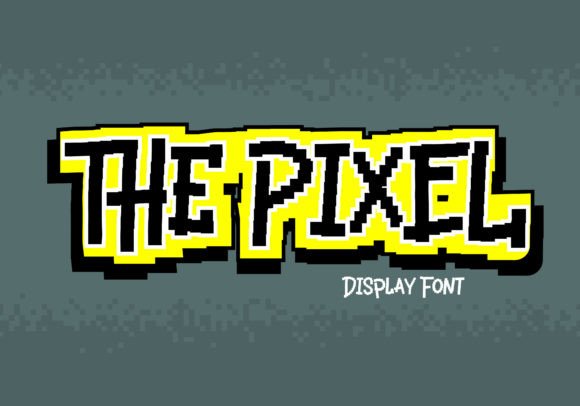
The Pixel Font: A Playful Addition to Modern Design
The Purpose and Significance of The Pixel Font
Fonts play a crucial role in communication, especially in the digital world. They help convey tone, mood, and brand identity. The Pixel font, with its playful nature, is ideal for creating designs that feel approachable and lighthearted. It’s often used in contexts where creativity and fun are central themes, such as children's books, social media content, or merchandise like T-shirts and posters.
Why Display Fonts Matter
Display fonts are specifically designed for short bursts of text rather than long paragraphs. Their stylized characters make them unsuitable for extended reading but perfect for grabbing attention. The Pixel font is an excellent example of this category. Its exaggerated forms and spacing allow it to be read at a glance while still maintaining a high level of visual interest.
- Attention-grabbing: The Pixel stands out visually, making it great for marketing materials and signage.
- Brand personality: Using this font can help establish a fun and youthful brand image.
- Design versatility: It works well in both digital and print formats, adding charm to various media.
Practical Uses of The Pixel Font
The Pixel font is incredibly versatile and can be used across a wide range of applications. Below are some common areas where it shines:
1. Book Covers and Children’s Literature
In the publishing industry, book covers need to reflect the story within while standing out on shelves or online listings. The Pixel font brings a sense of nostalgia and innocence that aligns well with children’s stories, fantasy novels, or even retro-themed publications. Its cute aesthetic helps create an inviting first impression, encouraging readers to pick up the book.
2. Birthday Cards and Greeting Cards
When designing birthday cards, greeting cards, or invitations, the right font can elevate the overall experience. The Pixel font offers a friendly and cheerful vibe that perfectly complements celebratory messages. Whether you're going for a vintage party theme or a modern, tech-inspired event, this font can add the right amount of character without being overwhelming.
3. Merchandise and Product Packaging
Merchandise like T-shirts, mugs, and tote bags benefit greatly from expressive typography. The Pixel font allows brands to showcase their personality through product names, slogans, or decorative elements. Similarly, product packaging for toys, snacks, or accessories can use this font to appeal to younger audiences or evoke a sense of playfulness.
4. Digital Art and Web Design
In web design and digital art, fonts contribute significantly to user experience and aesthetics. The Pixel font can be used to highlight key sections of a website, such as headings, call-to-action buttons, or animated banners. It also pairs well with other retro-style visuals, helping to create a cohesive theme that resonates with users who appreciate vintage culture.
5. Social Media and Marketing Materials
Social media platforms thrive on visual content, and using a unique font like The Pixel can help your posts pop. From Instagram captions to YouTube thumbnails, this font adds a layer of creativity and memorability. It's particularly effective for influencers, small businesses, or personal brands looking to develop a distinct visual identity.
How The Pixel Fits into Modern Life
In today’s fast-paced digital world, people are constantly bombarded with information. To cut through the noise, brands and creators rely on strong visual identities, and fonts are a big part of that. The Pixel font taps into the growing trend of retro-inspired design, which has seen a resurgence in recent years thanks to the popularity of pixel art in gaming, animation, and graphic design.
Moreover, The Pixel font supports the rise of DIY culture and independent design. With the availability of tools like Canva, Adobe Spark, and Photoshop, anyone can now experiment with fonts and create professional-looking designs from home. The Pixel font, with its easy-to-use and recognizable style, fits seamlessly into this movement.
Retro Nostalgia in Contemporary Culture
Pixel fonts are not just about aesthetics—they represent a broader cultural shift towards embracing the past in new ways. Many people associate pixel art with childhood memories of classic video games, which creates an emotional connection when they see it used in modern designs. The Pixel font capitalizes on this sentiment, allowing designers to evoke feelings of nostalgia and familiarity.
Creativity Meets Technology
As technology evolves, so does our relationship with it. While we've moved far beyond the limitations of early computer displays, the charm of pixel-based visuals remains. The Pixel font is a testament to how creativity and technology can coexist. It bridges the gap between analog warmth and digital precision, offering something that feels both old-school and contemporary.
Understanding the Differences Between Display and Body Fonts
One common misconception about The Pixel font is that it can be used for all types of text. In reality, it's most effective when used sparingly and strategically. Here’s a breakdown of the differences:
- Legibility: Display fonts like The Pixel prioritize visual impact over readability. They may not be suitable for large blocks of text.
- Use case: These fonts are ideal for headlines, logos, and short phrases, whereas body fonts are designed for longer, more readable content.
- Design harmony: Pairing The Pixel with a clean, minimalist font for body text ensures balance and clarity in your design.
For instance, if you're creating a blog post or a brochure, you might use The Pixel for the title and then switch to a sans-serif font like Helvetica or Open Sans for the rest of the text. This combination keeps the design engaging while ensuring the message is easily understood.
Choosing The Right Color and Background
Another important aspect of working with The Pixel font is considering color and background. Because of its bold, blocky structure, it can sometimes appear too stark against certain colors or textures. To enhance its visual appeal, consider the following tips:
- Use bright, contrasting colors to make the font pop—especially in digital formats.
- Pair it with simple, uncluttered backgrounds to avoid distracting the viewer.
- Experiment with drop shadows or outlines to give it depth in print or web designs.
For example, using The Pixel in bright pink on a white background for a children’s toy label could create a vibrant and playful look. Alternatively, placing it on a soft gradient background can soften its intensity while keeping the fun essence intact.
Where to Find and Use The Pixel Font
If you're interested in using The Pixel font in your own projects, there are several platforms where you can download or access it. Some popular options include:
- Font Squirrel
- Google Fonts
- DaFont
- Behance (for design inspiration and templates)
Once you’ve downloaded the font, you can install it on your computer or use it directly in design software like Adobe Illustrator, InDesign, or Figma. For those who prefer online tools, many graphic design websites allow you to upload custom fonts and apply them instantly to your creations.
Best Practices for Implementation
To get the most out of The Pixel font, follow these best practices:
- Use it for short text only—longer sentences will become difficult to read.
- Ensure proper sizing and spacing; pixel fonts can look cramped if not formatted correctly.
- Consider the context—while it works well for casual or fun projects, it may not be appropriate for formal documents or legal contracts.
Common Misconceptions About The Pixel Font
Despite its popularity, there are a few myths surrounding The Pixel font that are worth addressing:
1. It’s Only for Retro Designs
While The Pixel font definitely evokes a retro vibe, it can also work in contemporary settings. For example, a modern app might use it for a feature labeled “Play” to suggest interactivity and joy. Context is key, and the font’s adaptability makes it suitable for a variety of styles.
2. It Can’t Be Used Professionally
This is another common misunderstanding. Though The Pixel may seem informal, it can be a powerful tool in professional branding when used appropriately. Think of companies that specialize in gaming, animation, or entertainment—the font can help reinforce their brand voice and visual identity in a meaningful way.
3. It’s Difficult to Read
Yes, The Pixel font is less legible than standard fonts, but that doesn't mean it should be avoided entirely. By limiting its use to short, impactful text, you can maintain clarity while still enjoying its stylistic benefits.
Conclusion
The Pixel font is much more than just a quirky display typeface. It represents a blend of history, emotion, and creativity that resonates with both designers and audiences alike. Whether you're crafting a birthday card, designing a website, or developing a brand identity, The Pixel can add a touch of fun and originality to your work.
By understanding its purpose, limitations, and best practices, you can effectively incorporate it into your projects and enjoy the freedom it provides. So next time you're looking for a font that breaks the mold and brings a smile to your audience's face, remember what The Pixel can offer—and let your creativity shine through.