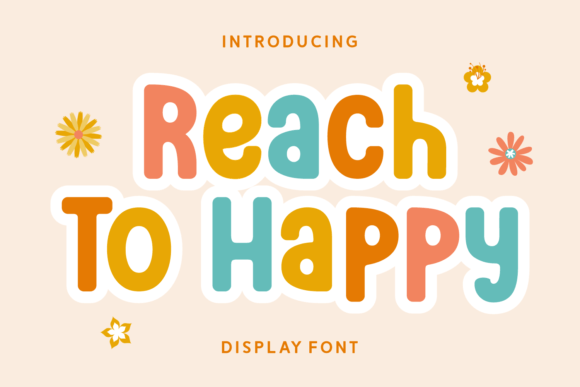
When to Use Reach to Happy: A Friendly Display Font for Cheerful Designs
Choosing the right font can make a significant difference in how your design is perceived. Reach to Happy stands out as a display font that radiates warmth and positivity, making it an excellent choice for projects where a friendly and approachable tone is essential. With its playful yet clean aesthetic, this typeface has become increasingly popular among designers working on kid-friendly content, promotional materials, and creative branding initiatives.
What Is Reach to Happy?
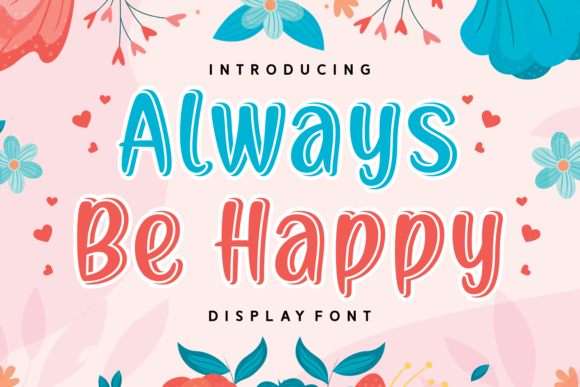
Reach to Happy is a stylized display font designed with soft curves, rounded edges, and open apertures. These characteristics give it a light-hearted and inviting appearance that’s easy on the eyes while maintaining visual interest. Unlike standard sans-serif or serif fonts used for body text, Reach to Happy is best suited for headlines, logos, titles, and decorative elements where impact and personality are key.
One of the defining features of Reach to Happy is its consistent spacing and uniform stroke width, which contribute to its readability despite its whimsical style. The font also includes a range of ligatures and alternate characters, allowing for more expressive and customized typographic treatments without compromising legibility.
Design Philosophy Behind Reach to Happy
The creators of Reach to Happy focused on crafting a font that evokes joy and optimism. Each letterform was carefully shaped to reflect a sense of movement and playfulness, making it ideal for environments where creativity and emotional appeal matter. This thoughtful design aligns well with modern trends in typography that prioritize user experience and visual harmony, especially in digital formats.
Best-Fit Applications for Reach to Happy
- Kid-Friendly Projects: From educational materials to birthday invitations, Reach to Happy's cheerful vibe makes it perfect for designs targeting children or families.
- Posters and Flyers: Its bold presence ensures that headlines stand out, whether promoting a community event or advertising a product launch.
- Nursery Decorations: Parents often seek fonts that feel nurturing and welcoming—Reach to Happy fits the bill with its gentle, smiling curves.
- Wall Art and Social Media Graphics: The font works well in both large-scale prints and small digital spaces, adding a touch of personality without overwhelming the viewer.
- Stickers and Merchandise: Because of its clarity at smaller sizes and adaptability in color, it's frequently used in sticker designs, t-shirts, and other merchandise.
In each of these applications, the font’s ability to convey warmth and energy helps establish a positive emotional connection with the audience. However, like any font, it comes with certain limitations that should be considered before finalizing your design choices.
Advantages
- High Visual Appeal: The font’s unique character shapes and lively rhythm make it visually engaging, drawing attention quickly and effectively.
- Versatile Style: While clearly a display font, Reach to Happy adapts well to different uses, including both print and digital media.
- Emotional Resonance: It naturally conveys happiness and friendliness, which can enhance the message in designs aimed at creating a warm impression.
- Customization Options: With included alternates and ligatures, it allows for creative variations while keeping the overall look cohesive.
Potential Limitations
- Not Ideal for Long Text: As a decorative display font, it lacks the subtlety needed for extended reading. Avoid using it for paragraphs or dense blocks of text.
- May Clash in Professional Contexts: While great for casual or creative work, its playful nature might not suit formal or corporate environments where a more serious tone is required.
- Limited Weight Variations: Depending on the version you choose, there may be fewer weight options compared to more versatile font families.
Comparing Reach to Happy with Other Display Fonts
Display fonts come in many styles—from elegant scripts to bold geometric shapes. When considering Reach to Happy, it's helpful to understand how it compares to others in similar categories.
Similarities and Differences
Fonts like Bubblegum Sans and Quicksand share some traits with Reach to Happy but serve different purposes. Bubblegum Sans is another rounded, casual font but tends to be less structured, making it better suited for informal use. Quicksand, while friendly and modern, is a sans-serif font optimized for readability across all sizes, unlike Reach to Happy, which excels in larger display settings.
If you're looking for something with more texture or hand-drawn qualities, fonts such as Pacifico or Noto Handwriting offer a more organic feel. These fonts are often preferred for handwritten-style designs or personal branding. In contrast, Reach to Happy maintains a level of polish that makes it suitable for commercial or semi-professional use.
When to Choose Reach to Happy Over Others
Opt for Reach to Happy when you want a balance between fun and professionalism. If your project requires a font that is:
- Approachable but still polished,
- Cheerful without being overly childish,
- Consistent in structure yet expressive in style,
Evaluating Fit Based on Design Needs
To determine if Reach to Happy suits your project, consider the following factors:
Tone and Audience
Is your design intended to evoke joy, excitement, or comfort? If yes, then Reach to Happy’s upbeat character will support your message. For audiences that expect formality or precision—such as legal documents or technical reports—a more neutral font would be more appropriate.
Medium and Scale
Does your text need to be read from a distance, such as on a poster or banner? Reach to Happy performs exceptionally well in large sizes, where its details become more visible and its personality more pronounced. For smaller sizes or long passages, its stylized nature may reduce legibility and distract from the message.
Brand Identity and Consistency
Consider your brand’s voice and existing visual assets. If your brand already uses clean, minimalist fonts for body copy, Reach to Happy can add a contrasting layer of warmth in headers and accents. However, if your brand leans heavily into bold or edgy aesthetics, a more dramatic display font might align better with your identity.
Practical Examples of Reach to Happy in Use
Here are some real-world examples where Reach to Happy enhances the design:
- A local bakery uses Reach to Happy for their storefront signage and packaging labels. The font complements their pastel color palette and reinforces the feeling of a cozy, family-friendly environment.
- An online learning platform for children incorporates Reach to Happy in course titles and activity prompts. The font makes the interface feel more engaging and less intimidating for young users.
- A wellness brand employs Reach to Happy in motivational posters and social media graphics to promote positivity and mindfulness. The font adds a human touch to otherwise clinical subject matter.
These cases demonstrate how Reach to Happy can elevate a design by matching the emotional tone of the content and supporting brand messaging.
Alternatives to Consider
While Reach to Happy is highly effective in the right context, there are situations where other fonts might be more suitable. Here are a few alternatives based on specific needs:
- For Formality: Consider Lato or Open Sans. Both are clean, professional sans-serif fonts that work well in diverse settings.
- For Script-Like Feel: Fonts such as Dancing Script or League Gothic offer a more handwriting-inspired look while retaining a high level of usability.
- For Bold Impact: If you're designing a high-energy poster or logo, consider pairing Reach to Happy with a heavier font like Bebas Neue for contrast and emphasis.
How to Incorporate Reach to Happy Effectively
Using Reach to Happy successfully involves more than just selecting the font. Here are some tips for integrating it into your design workflow:
- Use It Sparingly: Reserve Reach to Happy for headlines, logos, or call-to-action buttons rather than full sentences or paragraphs.
- Pair Thoughtfully: Combine it with a more neutral font for body text to maintain hierarchy and readability. Common pairings include Roboto, Montserrat, or Poppins.
- Experiment with Color and Size: Because of its friendly nature, Reach to Happy looks great in bright colors or oversized formats, especially in print or digital banners.
- Test Legibility: Always test the font in the actual context it will be used. Print it on paper or view it on screen to ensure it remains clear and readable at your intended size.
Conclusion
Reach to Happy is a display font that brings a smile to any design. Its blend of friendliness and clarity makes it particularly useful for kid-focused content, marketing materials, and artistic projects. However, it’s important to evaluate its role within your overall design strategy. By understanding its strengths and limitations, you can decide whether it's the right choice for your project—or whether another option might serve your goals better.
Ultimately, the best font is one that supports your message and resonates with your audience. Reach to Happy offers a unique combination of charm and versatility that can help bring your creative vision to life, provided it’s used thoughtfully and appropriately.