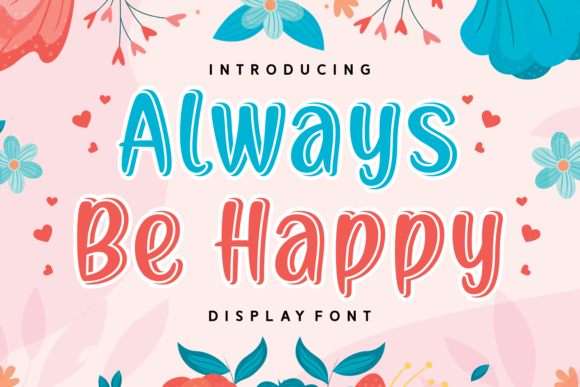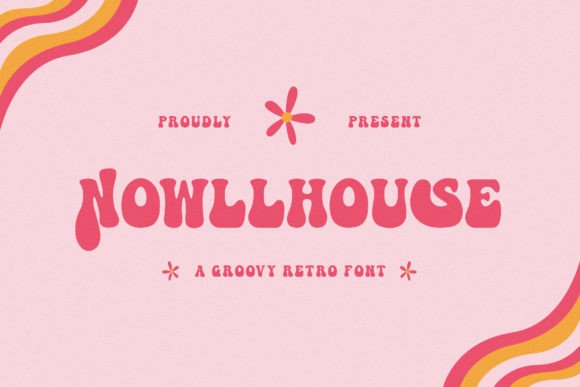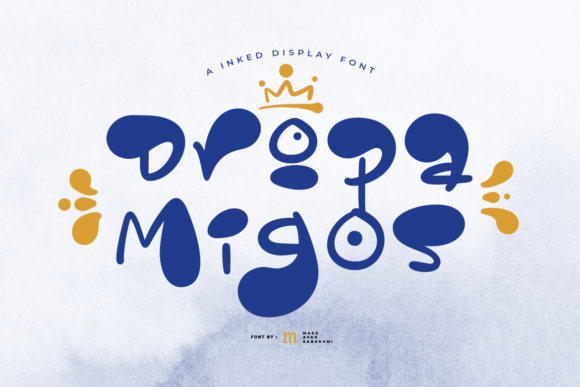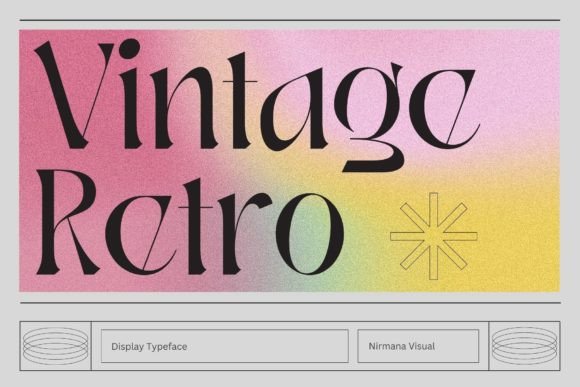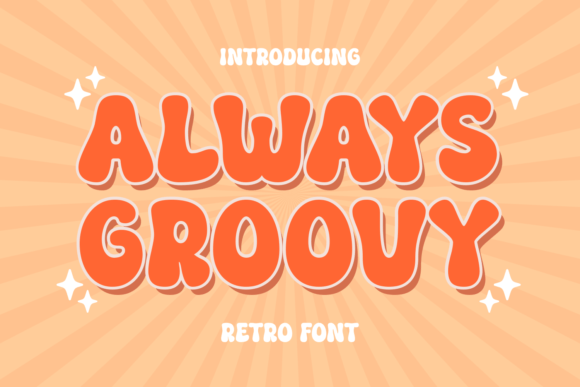
Always Groovy: A Retro Display Font That Brings the Flower Power Vibe
Fonts are more than just letters on a screen or page—they're the heartbeat of your design. When you need something that screams fun, freedom, and a touch of vintage charm, Always Groovy is the font that brings the vibe. This retro-style display typeface has a casual, cheerful feel that’s perfect for channeling the spirit of the 60s and 70s. Whether you're into hippie aesthetics, psychedelic posters, or anything with a flower-power twist, Always Groovy adds that missing piece of magic.
What Makes Always Groovy Stand Out?
At first glance, Always Groovy feels like it was lifted straight from an old record label or tie-dye festival poster. Its characters have a handcrafted look with playful curves and bold strokes. It's not a font you'd use for body text in a legal document or a news article—it’s made to shine as a headline or title. The PUA encoding means you can access all its glyphs and special characters without hassle, making it easy to customize your designs with unique symbols and ligatures.
Because it’s a display font, Always Groovy works best at larger sizes where its personality can really come through. It’s ideal for projects that want to stand out visually—like logos, t-shirt prints, album covers, or social media graphics. The font doesn’t shout; it grooves. And that’s exactly what makes it memorable.
Real-World Use Cases for Always Groovy
If you're in the creative industry, chances are you've worked on a project that needed a bit of whimsy. Here are some practical scenarios where Always Groovy could be the right choice:
- Festival branding: Music festivals often lean into retro themes, especially those celebrating classic rock, folk, or jam bands. Always Groovy fits perfectly into this aesthetic, helping to create a warm, inviting visual identity.
- Merchandise design: T-shirts, hoodies, and posters for indie artists or boutique brands can benefit from the font’s laid-back style. It’s a great way to add character without overwhelming the design.
- Restaurant or café signage: Think of a cozy coffee shop or a retro diner. Always Groovy can help set the tone with menu headers, logo fonts, or chalkboard-style signs that evoke nostalgia and comfort.
- Event invitations and posters: Weddings, birthdays, and community events with a bohemian or rustic theme often use this kind of font to match the vibe. Always Groovy gives off the impression of a joyful celebration.
- Website headlines and banners: If you're designing a site for a wellness brand, a music blog, or a vintage-inspired store, using Always Groovy in headlines or banners can instantly elevate the mood.
Who Can Benefit from Using Always Groovy?
Always Groovy isn’t just for designers. Anyone who wants to infuse their work with a sense of joy and retro flair can find value in it. Let’s break it down by user type:
Graphic Designers and Brand Creators
For graphic designers working on lifestyle or entertainment-related projects, Always Groovy offers a fresh take on retro typography. It allows them to craft visuals that resonate emotionally with audiences who appreciate vintage culture. From logo mockups to packaging concepts, this font helps tell a story before a single word is read.
Small Business Owners
If you run a boutique, a yoga studio, or a local music venue, your brand likely benefits from a relaxed, welcoming aesthetic. Always Groovy can be used in signage, promotional materials, or even digital ads to reinforce that vibe. It’s a tool that supports your brand voice in a subtle but powerful way.
Creative Content Makers
Bloggers, YouTubers, and Instagrammers who focus on travel, fashion, or self-expression often use custom fonts to make their content pop. Always Groovy can be applied in headers, thumbnails, or titles to give posts a unique, eye-catching look that stands apart in crowded feeds.
Print Artists and Illustrators
Handmade zines, art prints, and greeting cards often thrive on typographic choices that reflect the artist’s personality. Always Groovy is a go-to option when you want to blend text and illustration seamlessly. Its organic flow complements hand-drawn elements beautifully.
Considerations Before Choosing Always Groovy
While Always Groovy is incredibly versatile, there are a few things to keep in mind before diving in:
- Readability: Because it’s a display font, Always Groovy isn’t suited for long paragraphs or small text. Reserve it for headlines, titles, and short bursts of text where legibility isn't the top priority.
- Color contrast: The font has a soft, rounded appearance, so pairing it with high-contrast colors (like black on white or white on dark backgrounds) can enhance its visibility and impact.
- Target audience alignment: Make sure your audience would connect with the retro, casual tone of Always Groovy. While it works well for certain niches, it might not fit professional or corporate settings.
- File format compatibility: Since it’s PUA-encoded, always double-check that your software supports these glyphs. Programs like Adobe Illustrator or Photoshop usually handle them well, but web-based tools may require additional steps for symbol access.
Pairing Always Groovy with Other Fonts
One of the keys to good typography is balance. Always Groovy pairs best with clean, modern sans-serif fonts for body text. For example:
- Use Montserrat or Open Sans for readability while letting Always Groovy steal the spotlight in headers.
- Combine it with a serif font like Playfair Display if you’re going for a vintage-meets-classic look.
- Try a monospace font like JetBrains Mono or Space Mono for tech or minimalist projects where Always Groovy serves as a decorative accent.
This combination strategy ensures your message remains clear while still benefiting from the charm of Always Groovy.
Where to Use Always Groovy
The possibilities are endless when you consider the industries and mediums that can leverage this font. Here are a few examples:
- Music and entertainment: Band names, event posters, or vinyl record labels. It’s got that authentic sound of a summer festival or underground gig.
- Wellness and spirituality: Yoga retreats, meditation apps, or crystal shops often use retro fonts to convey peace and positivity. Always Groovy aligns perfectly with this kind of energy.
- Food and beverage: Café menus, cocktail recipes, or artisanal product labels. It evokes warmth and simplicity, which many customers associate with quality and care.
- Education and workshops: Art classes, DIY tutorials, or creative writing courses can use it to make learning materials feel more approachable and engaging.
- Travel and adventure: Surf shops, beach resorts, or travel blogs looking to highlight a laid-back lifestyle can benefit from the font’s easygoing nature.
In each case, the font acts as a silent collaborator, shaping how people perceive your message or brand.
Practical Examples of Always Groovy in Action
Let’s imagine a few real-life applications:
- A local band named “Groove Revival” uses Always Groovy for their tour poster. The name immediately pops with a retro feel, and the supporting details are in a simple sans-serif, keeping everything balanced.
- A boutique called “Flowerchild Co.” incorporates Always Groovy into their website banner. The header says “Welcome to the Bloom,” and the rest of the site uses a clean font to maintain clarity.
- A food truck called “The Hippie Kitchen” uses the font on their signage and menu boards. The playful yet readable text draws attention and sets the tone for a fun, healthy dining experience.
- An online course titled “Retro Typing 101” uses Always Groovy for the title and chapter headings. It creates a nostalgic atmosphere that matches the course content about vintage design trends.
These examples show how Always Groovy can adapt across different contexts while staying true to its core vibe.
Strengths and Limitations of Always Groovy
Every font has its strengths and weaknesses. Always Groovy shines in situations where you want to add a personal touch or a specific era’s flavor. Its strength lies in its ability to evoke emotion quickly—people see it and feel transported to a sunnier time.
However, it also has limitations. As mentioned earlier, it’s not ideal for body text. Also, because of its stylized look, it may not translate well in all languages or scripts. Stick to English or similar Latin-based alphabets unless you’re confident in how it will render in other languages.
Another thing to watch out for is overuse. Like any strong visual element, Always Groovy should be used intentionally. Too much of it can dilute its effect and make the design feel cluttered instead of charming.
How to Access Special Characters and Glyphs
Thanks to its PUA encoding, Always Groovy includes a range of special characters and symbols that aren’t found in standard keyboards. To use these, you’ll typically need to open the glyph palette in your design software. In Adobe products, this is done by selecting the font and opening the Character panel. Each symbol is mapped to a specific Unicode code point, so you can easily select and place them wherever they’re needed.
Some common glyphs include floral accents, musical notes, arrows, and other decorative elements. These can be used to highlight key phrases, separate sections, or simply add visual interest to your layout. They’re especially handy in print and digital illustrations where extra customization is appreciated.
Final Thoughts on Integrating Always Groovy
Choosing the right font is about more than just looks—it’s about creating a connection with your audience. Always Groovy does that effortlessly. It speaks to people who love retro culture, artistic expression, and positive vibes. When used thoughtfully, it can become a signature element of your brand or project, helping you stand out in a world full of generic typefaces.
So whether you're designing a festival flyer, branding a new business, or just looking for a way to add some soul to your next project, Always Groovy is worth exploring. Let it bring a little sunshine and creativity to your work.