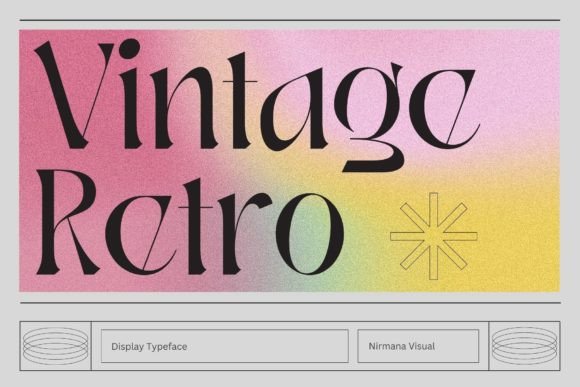
Vintage Retro: A Stylish Display Font Inspired by the Renaissance
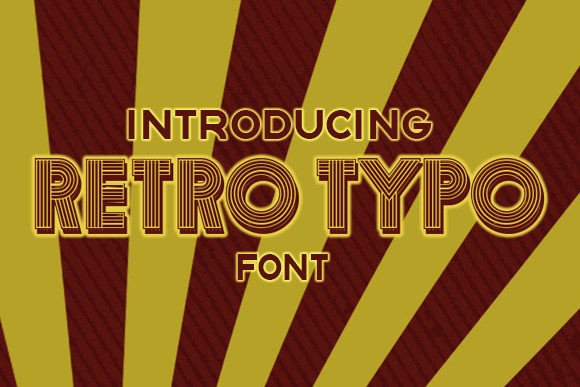
Vintage Retro is a display font that brings the elegance and charm of the Renaissance era into modern design. With its ornate letterforms, balanced proportions, and timeless appeal, it has become a popular choice among designers, entrepreneurs, and content creators who want to add a touch of sophistication to their projects. Whether you're crafting a logo, designing a product package, or creating eye-catching social media visuals, Vintage Retro offers a unique aesthetic that stands out while maintaining readability and visual harmony.
Why Choose Vintage Retro?
Fonts are more than just letters on a page—they’re a critical component of branding and communication. Vintage Retro bridges the gap between classic artistry and contemporary design needs. Its Renaissance-inspired curves and serifs evoke a sense of history and craftsmanship, making it ideal for niche brands, luxury products, vintage-themed events, or creative campaigns that require a distinctive typographic voice.
Designers often select this font for logos because it conveys authenticity and timelessness. Marketers use it in advertisements to create nostalgic yet appealing visuals. Bloggers and educators may incorporate it in headers to give their content a refined, artistic flair. Because of its versatility, Vintage Retro can adapt to various industries—from fashion and food to entertainment and publishing—without losing its core identity.
Common Misconceptions About Vintage Fonts
One of the most frequent mistakes people make when choosing a vintage-style font like Vintage Retro is assuming all such fonts are interchangeable. Not every "Renaissance" or "vintage" font delivers the same level of typographic quality or legibility. Some may look overly decorative but struggle to communicate clearly, especially at smaller sizes or in digital formats.
Vintage Retro avoids these pitfalls by maintaining a strong balance between style and functionality. However, if users aren’t careful, they might misuse it in contexts where clarity is essential. For example, using it in body text instead of headings could reduce readability and confuse your audience.
Misused in the Wrong Contexts
Display fonts like Vintage Retro are best suited for headlines, titles, and short bursts of text. They are not typically designed for long paragraphs or dense reading material. A common error is applying them across entire websites or brochures without considering how the font performs in different scenarios.
- Example: A local bakery uses Vintage Retro for all website copy, from the hero headline down to the ingredient list. The result is a beautiful but impractical site, as visitors struggle to read key details.
- Better approach: Use Vintage Retro for headlines and brand names, then pair it with a clean sans-serif or serif font for body text to ensure accessibility and user experience remain top priorities.
Ignoring Licensing and Usage Rights
Another overlooked detail is understanding the licensing terms of the font. While some free fonts allow broad usage, others restrict commercial applications or require attribution. If you're downloading Vintage Retro from a third-party site, always verify the license before using it in professional work.
Tip: Check whether the font allows web embedding if you plan to use it on a website. Some licenses only permit desktop use, which means you can't host it online unless you purchase an additional license.
To avoid legal issues and ensure smooth collaboration, download Vintage Retro from trusted platforms that provide clear licensing information. This step is crucial for freelancers, small businesses, and entrepreneurs who rely on fonts to maintain brand consistency across multiple channels.
Font Pairing Pitfalls
Vintage Retro’s elaborate design means it doesn’t pair well with every other font. Many beginners mistakenly try to combine it with similarly intricate typefaces, resulting in a cluttered and confusing layout. Others overlook the importance of contrast altogether, leading to designs that lack visual interest.
A successful pairing usually involves one bold, expressive font (like Vintage Retro) and one simple, neutral font for supporting text. Think of it as balancing a main character with a background actor in a film—both need to shine, but in different ways.
- Bad combination: Vintage Retro + Another ornate script font = Overwhelming typography with no hierarchy.
- Good combination: Vintage Retro + Helvetica Neue = Elegant contrast between historical charm and modern simplicity.
Overlooking Color and Background Compatibility
Even the most beautiful font can lose its impact if it's not used thoughtfully with color and background elements. Vintage Retro, with its rich detailing, requires enough contrast to be legible. Using it on busy or low-contrast backgrounds can cause the letters to blend in or become illegible.
For instance, placing light-colored Vintage Retro over a textured, dark background may obscure the fine strokes and serifs. Always consider the environment in which the font will appear. Test it against different colors and images to see how it holds up under various conditions.
Best practice: When using Vintage Retro in print or digital media, keep the surrounding design clean and minimalistic. Let the font speak for itself rather than competing with too many visual elements.
Resolution and Format Considerations
Many users forget that display fonts behave differently depending on the output format. Vintage Retro looks stunning in high-resolution print materials, but on low-resolution screens, its fine details may become pixelated or unclear. It's important to test the font in both digital and physical environments before finalizing a project.
If you're using it for a logo that will also appear on clothing, signage, or mobile apps, ensure it remains legible at varying scales. A great tip is to zoom out or view the design from a distance to simulate real-world visibility.
Not Evaluating Alternatives Before Committing
Before settling on Vintage Retro, take the time to explore similar fonts. There are many excellent Renaissance or vintage-style typefaces available, each with its own nuances in weight, spacing, and ornamentation. Choosing the right one depends on your specific project goals and target audience.
Ask yourself:
- Do I need a more delicate or heavier version of a vintage font?
- Will my audience appreciate the ornate style, or does it risk looking outdated?
- Does the font align with the overall tone and purpose of my brand or message?
By answering these questions early in the design process, you can avoid selecting a font that doesn’t truly serve your needs—even if it looks good at first glance.
Understanding File Formats and Performance
When you download Vintage Retro, you’ll likely receive several file formats such as TTF, OTF, or WOFF. Each serves a different purpose. For example, OTF files offer advanced typographic features like ligatures and alternate characters, while WOFF is optimized for web performance.
If you're integrating Vintage Retro into a website, opt for the WOFF or WOFF2 versions to improve loading speed. Using large desktop font files in place of optimized web fonts can lead to slower performance and a poor user experience.
Underestimating the Impact of Typography on Branding
Typography plays a powerful role in shaping perceptions. A font like Vintage Retro can instantly suggest heritage, tradition, or artisanal quality—but only if it’s applied consistently and appropriately. Inconsistent use across marketing materials can dilute the brand message and confuse customers.
Consider the following:
- Use Vintage Retro in the same context across your logo, packaging, and promotional content.
- Ensure that any variations (bold, italic, etc.) are available and used correctly.
- Complement the font with imagery and color palettes that match its vintage feel.
This cohesive approach strengthens brand recognition and builds trust with your audience. Avoid switching to unrelated fonts in different pieces of content, even if they seem visually appealing individually.
Missing Out on Customization Options
Vintage Retro may come with optional glyphs, ligatures, or alternate characters that enhance its visual appeal. However, many users ignore these features, relying solely on the standard character set. This can result in missed opportunities to refine the design and make it more engaging.
For example, in a wedding invitation design, adding custom ligatures for “fi” or “fl” can elevate the overall look significantly. Or in a brand name, swapping out default characters for stylized alternatives can create a more memorable impression.
Always review what comes with your font package. Tools like Adobe Illustrator or Photoshop allow easy access to alternate glyphs through OpenType features. Don’t hesitate to experiment—these small tweaks can have a big impact on your final output.
How to Evaluate and Choose the Right Vintage Font
Selecting the perfect vintage font involves more than just personal preference. Here’s a practical checklist to help you decide if Vintage Retro is the right fit for your project:
- Legibility: Does it remain readable at different sizes and in different mediums?
- Brand alignment: Does its style reflect the values and personality of your brand?
- License compliance: Are you allowed to use it commercially, digitally, or for your intended purpose?
- Compatibility: Will it work well with your chosen color scheme and layout structure?
- Performance: Is it optimized for your platform (print, web, app)?
By asking these questions upfront, you can save time, avoid rework, and ensure your design communicates effectively. Remember, a font isn’t just about aesthetics—it's about function and purpose too.
Real-World Examples of Effective Use
Vintage Retro shines in several types of design:
- Logos: A boutique winery uses it in their logo to evoke a sense of old-world craftsmanship and tradition.
- Social Media: A vintage car restoration business incorporates it in Instagram posts to highlight their retro theme and attract enthusiasts.
- Product Packaging: A handmade soap company pairs it with warm, earthy tones to create a natural, artisanal feel.
These examples show how thoughtful application can turn a stylish font into a strategic asset. The key is to let the font support the story you want to tell—not overshadow it.
Final Thoughts on Making Smart Typographic Choices
Vintage Retro is a versatile and elegant font that can enhance your design projects when used wisely. But like any tool, it works best when you understand its strengths and limitations. Avoid common missteps such as using it in inappropriate contexts, ignoring licensing requirements, or failing to consider compatibility with other design elements.
Take time to evaluate your options, test the font in real-life situations, and choose complementary styles that reinforce your message. Typography is a subtle but powerful form of communication—get it right, and your designs will resonate more deeply with your audience.