Butcher: A Retro-Style Display Font with Modern Versatility
Fonts play a crucial role in shaping the visual identity of any design project. Whether you're crafting a brand logo, designing a website, or creating print materials, the right typeface can make a significant difference. Butcher is one such font that stands out for its retro-inspired aesthetic and broad range of applications. It combines vintage charm with clean, modern readability—making it an excellent choice for designers who want to evoke nostalgia while maintaining clarity and professionalism.
What Makes Butcher Unique?
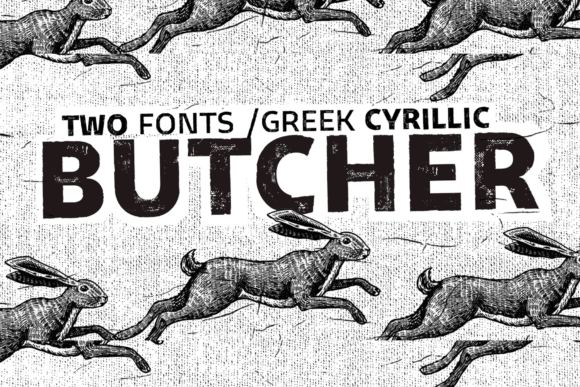
At first glance, Butcher captures attention with its bold, slab-serif structure and slightly irregular character spacing. This gives it a handcrafted feel that many digital fonts lack. The font's retro roots are evident in its design cues, which harken back to mid-century signage and typography. However, unlike many traditional display fonts, Butcher doesn't sacrifice legibility for style. Its strong contrast between thick and thin strokes ensures each letter remains distinct even at smaller sizes, which is unusual for a display font of this kind.
This balance between aesthetics and functionality is what makes Butcher worth discussing. In an era where minimalist sans-serif fonts dominate digital spaces, a well-crafted display font like Butcher offers a refreshing alternative without veering into impracticality. It’s not just another novelty typeface—it has real-world usability that extends beyond novelty projects.
Key Characteristics and Design Elements
Butcher features a distinctive slab-serif design, giving it a robust and confident presence on the page or screen. The characters have subtle variations in weight and angle, which adds depth and prevents the font from appearing too rigid. These details contribute to its eye-catching appeal while preserving a sense of cohesion across the alphabet and numerals.
- High Contrast: The clear distinction between thick and thin parts of the letters enhances readability, especially in print media and large-scale displays.
- Retro-Inspired Slab Serifs: The blocky serifs provide a nostalgic touch, ideal for vintage-themed designs or projects aiming for a timeless look.
- Versatile Weight Options: Many versions of Butcher come with multiple weights, allowing designers to adjust tone and emphasis depending on context.
- Open Apertures: The generous spacing within letters (like "a," "e," and "o") makes it easier to read extended text passages in certain formats.
These characteristics position Butcher as more than just a decorative option—it's a font that can carry both form and function effectively when used appropriately.
Practical Applications and Real-World Use
When evaluating a font's usefulness, it's important to consider how it performs in actual design scenarios. Butcher excels in environments where impact and personality are key. For instance, it works beautifully in branding projects for bars, restaurants, or fashion labels that aim to communicate a bold, classic vibe. Its strong visual presence also makes it suitable for editorial design, such as magazine covers or newspaper headlines, where it can draw readers in without overwhelming them.
In web design, Butcher can be a powerful tool for hero sections, call-to-action buttons, and subheadings. While it may not be ideal for body text due to its display nature, it shines in larger sizes where it can command attention. Pairing it with a clean, modern sans-serif for supporting text often creates a harmonious contrast that highlights the content effectively.
For motion graphics or video editing, the font's retro flair can enhance titles, transitions, and animated elements. Its structured yet expressive form allows for creative manipulation while still retaining clarity and legibility—a rare combination in display fonts.
Who Can Benefit Most from Using Butcher?
Butcher is particularly well-suited for professionals and creatives in the following fields:
- Graphic Designers: Those working on logos, posters, packaging, or other brand assets will appreciate its ability to convey character and authority.
- Web Developers & UX/UI Designers: When designing landing pages, banners, or promotional content, Butcher can help establish a unique visual hierarchy.
- Entrepreneurs and Small Business Owners: If your brand identity leans towards vintage, industrial, or urban aesthetics, this font can reinforce that image consistently across all marketing collateral.
- Content Creators and Bloggers: As a headline font, Butcher can add a distinctive touch to blog posts, YouTube thumbnails, or social media headers.
- Event Planners and Wedding Designers: Invitations, event posters, and signage benefit from the font’s elegance and memorability.
Its adaptability means that it can fit into various workflows—from high-end commercial design to personal passion projects. However, it’s most effective when used in contexts where the goal is to create a memorable visual impression rather than rely solely on legibility.
Usability and Flexibility Across Platforms
One of the strengths of Butcher lies in its cross-platform compatibility. Available in standard OpenType format, it integrates smoothly into most design software including Adobe Illustrator, Photoshop, InDesign, and even Figma or Sketch. Web developers will find it easy to implement using @font-face rules, ensuring consistent rendering across different browsers and devices.
The font also supports a wide array of languages and special characters, making it accessible for international audiences or multilingual projects. This level of support enhances its flexibility, especially for businesses operating in diverse markets or creators targeting global platforms.
Another advantage is its scalability. Whether you're printing a small business card or projecting a slogan onto a billboard, Butcher maintains its integrity and visual strength. This reliability is essential for professionals who need their designs to remain impactful regardless of output size or medium.
Styling and Pairing Suggestions
To get the most out of Butcher, consider pairing it with complementary fonts that balance its boldness. A sleek sans-serif like Montserrat or Lato can serve as an excellent secondary font for body copy or captions. Alternatively, a lighter serif typeface such as Playfair Display or Merriweather can work well if you’re aiming for a more refined typographic palette.
When styling Butcher, subtle adjustments in color, contrast, and alignment can significantly affect the final outcome. Using a warm brown or deep navy hue can amplify its vintage appeal, while high-contrast black-on-white combinations keep it fresh and contemporary. Line spacing should also be adjusted carefully to prevent the characters from feeling cramped, especially when using it in stacked text layouts or logotypes.
Limitations and Considerations
While Butcher is versatile, it’s not a universal solution. Like many display fonts, it’s best reserved for short bursts of text rather than long paragraphs. Attempting to use it for body copy may result in decreased readability and user fatigue, particularly in digital formats where screen resolution and scaling vary widely.
Additionally, its retro aesthetic might not align with every brand or audience. Projects with a modern, minimalistic, or futuristic theme could find Butcher visually disruptive if overused. It’s always wise to test the font in the context of your specific project to ensure it resonates with your intended message and target demographic.
Another thing to note is that Butcher may require additional licensing for commercial use, depending on the source from which it was obtained. Always verify the terms of use before incorporating it into client work or public-facing materials to avoid legal complications down the line.
Long-Term Value and Reliability
Assessing a font’s long-term value involves looking at its staying power and how it adapts to evolving design trends. Butcher, with its timeless design, has the potential to remain relevant for years. Unlike trend-driven typefaces that become outdated quickly, its retro-modern blend feels current enough for today’s projects but retains the charm of classic typography.
Moreover, the quality of the font files is typically high, with smooth curves and precise kerning. This ensures professional results whether you're working in print or digital media. Consistency in character shape and spacing is vital for a font’s reliability, and Butcher delivers in this regard, minimizing the need for manual adjustments during layout design.
How to Get Started with Butcher
If you're considering adding Butcher to your next project, here are some practical steps to begin:
- Download the font from a trusted source like Google Fonts, Adobe Fonts, or a reputable foundry.
- Install it on your system or import it into your preferred design application.
- Use it sparingly at first to test how it looks alongside other elements in your composition.
- Adjust leading and tracking settings to optimize spacing and alignment.
- Experiment with color schemes and background textures to enhance its visual impact.
By taking these steps, you’ll be able to integrate Butcher into your workflow with confidence and precision.
Final Thoughts on Butcher
Butcher is more than just a stylish font—it's a strategic asset for designers who understand the importance of thoughtful typography. Its retro-modern duality allows it to stand out in a sea of generic typefaces while maintaining the professionalism needed for serious design work. When used correctly, it can elevate the visual language of your project, reinforcing brand identity and engaging your audience with a unique typographic voice.
That said, it’s important to approach it with intention. Not every project needs a bold, vintage-style display font—but for those that do, Butcher offers a compelling solution. By understanding its strengths, limitations, and appropriate use cases, you can determine whether it fits your needs and goals. Ultimately, the best fonts are those that align with the message and purpose of the design—and Butcher does exactly that when applied thoughtfully.