Giant: A Versatile Display Font for Modern Designers
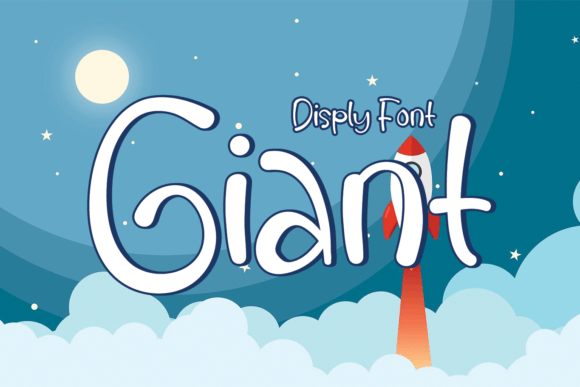
Giant is a display font that has been gaining popularity among designers and creatives due to its unique blend of cuteness, clarity, and character. With its clean lines and a touch of quirkiness, it offers an appealing aesthetic that stands out without being overwhelming. This makes it particularly suitable for branding, logos, social media content, and DIY projects where visual impact and personality are key.
What Makes Giant Stand Out?
Display fonts like Giant are typically used in non-body text applications such as headlines, titles, or short phrases. They differ from standard fonts in that they prioritize style over readability at smaller sizes. Giant strikes a balance by maintaining legibility while adding a distinctive flair. Its playful yet professional look can be attributed to subtle variations in stroke weight, open apertures, and slightly exaggerated letterforms that make each character memorable.
Why People Choose Giant
- Brand Identity: Businesses looking to create a youthful, approachable brand often find Giant to be a great fit. Its quirky charm helps convey a sense of fun and creativity.
- Visual Appeal: The font’s design is visually engaging, making it ideal for use in eye-catching logos, posters, and other marketing materials.
- DIY Projects: Crafters and hobbyists appreciate how Giant adds a personal touch to handmade items, invitations, and scrapbooks.
- Social Media Presence: For content creators, Giant enhances the visual appeal of posts, banners, and headers across platforms like Instagram, Pinterest, and Facebook.
Benefits of Using Giant
The primary benefit of using Giant lies in its ability to communicate a specific tone quickly and effectively. It’s not just about how the text looks; it’s also about what it feels like. Here are some practical advantages of incorporating this font into your work:
- Memorable Typography: Giant’s unique characteristics help make your message stand out, which is essential in competitive markets or crowded feeds.
- Flexibility Across Media: Whether you’re working on digital content or print materials, Giant adapts well to different formats and resolutions.
- Wide Language Support: Many versions of Giant include support for multiple languages, making it accessible for international audiences.
- Creative Freedom: The font allows for stylistic customization through alternate characters and ligatures, giving designers room to experiment while maintaining consistency.
Potential Tradeoffs and Considerations
While Giant has many strengths, there are a few tradeoffs to consider before selecting it for every project:
- Readability Limitations: As with most display fonts, Giant is not recommended for large blocks of body text. Its stylized features may reduce readability in longer passages.
- Context Sensitivity: The font works best in contexts where boldness and individuality are desired. In more formal or traditional environments, it might appear too casual or playful.
- File Size and Licensing: Some versions of Giant may come with larger file sizes or require commercial licenses for certain uses. Always check the licensing agreement before using it in professional settings.
When to Use Giant
Giant is a strong choice when your goal is to create a vibrant and engaging visual presence. Here are situations where it could be particularly effective:
- Branding for Creative Industries: Startups in design, fashion, lifestyle, or entertainment can leverage Giant to build a cohesive and expressive brand identity.
- Event Promotions: From music festivals to product launches, Giant can inject energy and excitement into promotional materials.
- Editorial Headlines: When used sparingly in magazines or blogs, Giant can add interest to feature stories or special sections.
- Merchandise and Packaging: Products aimed at younger demographics or those with a whimsical theme often benefit from the font’s cheerful appearance.
When Alternatives Might Be Better
Not every project will suit Giant perfectly. If you're aiming for a minimalist or ultra-professional look, you might want to explore alternatives. Here are scenarios where another font could serve better:
- Corporate Communications: In formal business reports or legal documents, a more neutral and readable font would be preferable.
- Long-Form Content: For websites, e-books, or brochures requiring extended reading, a sans-serif or serif typeface is usually more appropriate.
- Accessibility Concerns: If your audience includes people with visual impairments, a high-contrast, highly legible font should be prioritized over one with decorative elements.
- Traditional Branding: Brands rooted in heritage or professionalism—such as financial institutions or law firms—may find Giant too unconventional for their messaging.
How to Decide if Giant Is Right for You
Deciding whether to use Giant involves considering both the purpose of your project and the preferences of your audience. Ask yourself the following questions:
- Do I need a font that conveys a modern, creative vibe?
- Will the font be used primarily for headings or short bursts of text rather than long paragraphs?
- Is my target audience likely to respond positively to a playful or artistic typographic style?
- Does the font align with the overall tone and visuals of my brand or project?
If you answered yes to these questions, then Giant could be a good match. However, if your needs lean toward minimalism, formality, or accessibility, it’s wise to test it alongside other options before finalizing your choice.
Practical Tips for Working with Giant
To get the most out of Giant in your designs, follow these guidelines:
- Pair Thoughtfully: Combine Giant with a complementary sans-serif or serif font for body text to maintain balance and readability.
- Use Sparingly: Apply it only where needed to avoid overwhelming the viewer. Too much of any display font can detract from the message.
- Test at Scale: Preview the font at various sizes and on different devices to ensure it performs well in all intended contexts.
- Consider Color and Contrast: To enhance visibility, especially in digital formats, choose colors that provide sufficient contrast against the background.
Alternatives Worth Considering
There are many excellent display fonts that share similar traits with Giant but offer different nuances. For instance:
- Pacifico: Another friendly, script-style font that’s popular for logos and creative projects.
- Bungee: Offers a bolder, more dynamic look while still keeping a playful edge.
- Fredoka One: A geometric sans-serif with a modern feel, ideal for tech and startup branding.
These fonts can serve as useful comparisons when evaluating Giant for your specific needs. Testing them side-by-side can give you a clearer idea of which option best supports your design goals.
Final Thoughts
Giant is a versatile and expressive display font that brings a unique personality to your work. While it excels in creative and branding contexts, it's important to evaluate its suitability based on your project's requirements and audience expectations. By understanding its strengths and limitations, you can make an informed decision that aligns with your vision and enhances your communication efforts.