Retro Typo: A Vintage Font with Modern Appeal
If you're looking to add a touch of nostalgia and character to your designs, Retro Typo is the perfect choice. This retro display font brings a vintage feel into the digital age, offering a unique blend of old-school charm and modern usability. Whether you're designing for print or web, Retro Typo can help you stand out in a sea of generic typefaces.
What Makes Retro Typo Special?
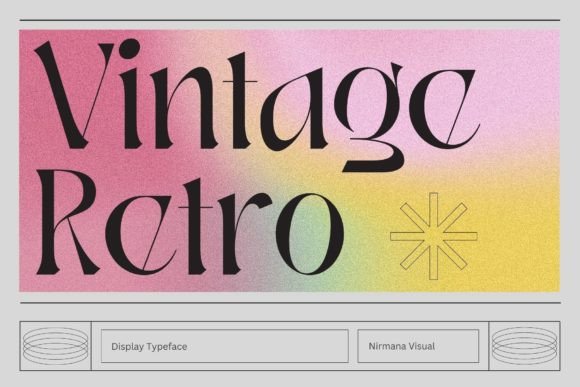
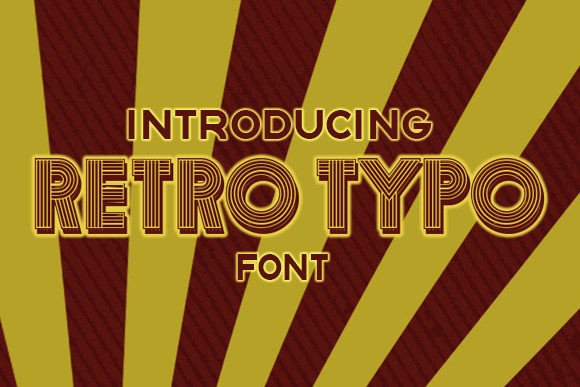
Retro Typo isn’t just another decorative font—it’s a carefully crafted design that captures the essence of classic typography while maintaining legibility and adaptability. It features bold, slightly uneven strokes, subtle serifs, and a warm, hand-drawn texture that evokes the aesthetics of mid-20th-century advertising and signage.
This font works especially well when used as a headline or title due to its high contrast and strong visual impact. Its versatility makes it suitable for both minimalist layouts and more elaborate typographic compositions.
Key Characteristics of Retro Typo
- Vintage Style: The font mimics the look of aged paper and ink, giving your content an authentic retro vibe.
- High Contrast: Thick and thin strokes create a dramatic effect ideal for attention-grabbing headlines.
- Legibility: Despite its stylized appearance, Retro Typo remains highly readable at larger sizes, which is crucial for effective communication.
- Character Set: Includes a wide range of glyphs, ligatures, and alternate characters to support creative expression.
- Cross-Platform Compatibility: Available in multiple formats (TTF, OTF), ensuring it works seamlessly across different software and operating systems.
Real-World Applications of Retro Typo
Retro Typo's aesthetic appeal makes it a go-to font for various industries and purposes. Here are some practical examples where this font shines:
Branding and Marketing
For businesses aiming to evoke a sense of tradition or authenticity, Retro Typo can be a powerful tool. Think about a craft brewery using it for their logo or a boutique clothing store incorporating it into promotional materials. The font adds a nostalgic flair that resonates with customers who appreciate heritage and craftsmanship.
Marketers often use Retro Typo in campaigns that target older demographics or aim to create a retro-themed event. For example, a vinyl record shop might use it on posters, social media graphics, and packaging to reinforce its brand identity.
Web Design and Digital Media
In the digital space, Retro Typo can enhance user experience by creating focal points within a website. Use it for hero headings, call-to-action buttons, or section titles to draw attention without overwhelming the layout. When paired with muted backgrounds and soft textures, it gives websites a timeless yet fresh look.
Bloggers and content creators also benefit from using Retro Typo in headers or pull quotes. It helps break up long text sections and makes content more visually engaging—especially for those running niche blogs like vintage car reviews or retro gaming guides.
Print and Packaging Design
Retro Typo performs exceptionally well in print media. Its tactile qualities come alive on physical surfaces such as t-shirts, coffee mugs, book covers, and even packaging labels. Print designers often choose it for projects like zines, brochures, and event flyers where personality and visual storytelling are key.
One notable example is a local bakery that redesigned its logo and menu using Retro Typo. The result was a warm, inviting atmosphere that immediately connected with customers, reinforcing the brand’s home-cooked, artisanal image.
Educational and Creative Projects
Educators and students working on history-related projects can leverage Retro Typo to bring a sense of realism to their presentations or reports. It’s also popular among artists and illustrators for typographic art pieces, murals, and greeting cards. The font’s character-rich design allows for expressive and dynamic visual compositions.
Freelancers in graphic design often include Retro Typo in their portfolio to showcase their ability to blend traditional and contemporary styles. Clients love seeing how they can modernize a retro concept or vice versa.
Why Choose Retro Typo Over Other Fonts?
There are countless fonts available today, but few combine the distinctiveness of Retro Typo with its functionality. Here’s why it stands out:
- Emotional Connection: People respond to nostalgia. Using Retro Typo taps into a viewer’s emotional memory, making your message more memorable and relatable.
- Visual Hierarchy: Its bold style naturally commands attention, helping establish clear visual hierarchy in any composition.
- Customization Options: With alternate characters and stylistic sets, you can tailor the font to fit the tone of your project—whether it’s playful, elegant, or edgy.
- Timeless Versatility: Unlike many trendy fonts that quickly become outdated, Retro Typo maintains its relevance across decades of design trends.
Usability Tips for Retro Typo
While Retro Typo is incredibly stylish, it’s important to use it wisely. Here are a few recommendations to ensure it enhances rather than hinders your design:
- Use it Sparingly: Because it’s a display font, it works best in headlines, logos, or short phrases. Avoid using it for body text to maintain readability.
- Pair with Simpler Fonts: Combine it with clean sans-serif or serif fonts to balance the design. For instance, pair it with Helvetica or Georgia for a harmonious contrast.
- Consider Color and Texture: To amplify its retro effect, try applying sepia tones, parchment backgrounds, or subtle grain overlays in your design software.
- Test Across Devices: Always preview how the font looks on different screens and resolutions, especially if you're using it online. Some retro fonts may not render well on mobile devices if not optimized properly.
Getting Started with Retro Typo
Adding Retro Typo to your workflow is straightforward. Most design platforms, including Adobe Photoshop, Illustrator, Canva, and Figma, support OTF and TTF files. Once installed, experiment with spacing, size, and color to find the right match for your project.
Here’s how different professionals might start using it:
- Graphic Designers: Import the font into vector-based tools for logos, posters, and branding materials.
- Web Developers: Embed the font via Google Fonts or a self-hosted solution to give websites a distinctive look.
- Entrepreneurs: Apply it to product names, taglines, or storefront signs to build a recognizable brand identity.
- Content Creators: Use it in YouTube thumbnails, Instagram posts, or podcast artwork to make your content pop.
Where to Find and Download Retro Typo
Retro Typo is available on several reputable font marketplaces. You can explore platforms like Fonts.com, MyFonts, or Creative Fabrica to download and license it. Always check the licensing terms before using it in commercial projects to ensure compliance.
Best Practices and Considerations
When evaluating whether Retro Typo fits your needs, consider these factors:
- Project Tone: Does your design need a whimsical or serious feel? Retro Typo leans toward the former, so it may not suit all contexts.
- Target Audience: If your audience values modernity or minimalism, use the font cautiously. However, for those drawn to vintage aesthetics, it could be a major asset.
- Design Goals: Are you aiming for eye-catching visuals or clean readability? Align the font choice with your primary objectives.
- Accessibility: While beautiful, ensure it doesn't compromise accessibility. Avoid using it in small sizes or low-contrast settings where legibility drops.
Case Studies and Observations
Several case studies highlight the effectiveness of Retro Typo in real-world scenarios. One independent bookstore saw a 25% increase in customer engagement after switching to Retro Typo for their window displays and catalog headers. Another example is a vintage clothing brand that integrated the font into its email newsletter templates, resulting in higher open rates and a stronger brand recall.
These successes aren’t accidental—they’re the result of thoughtful design decisions that align the font’s characteristics with the brand’s identity and messaging goals.
Final Thoughts on Retro Typo
Retro Typo is more than just a font; it’s a design statement. Its vintage roots and modern adaptability make it a valuable addition to any designer’s toolkit. From branding to digital media, educational materials to packaging, this font has proven itself time and again.
Before finalizing your design choices, always evaluate how the font complements your overall theme and supports your message. Used correctly, Retro Typo can elevate your work from ordinary to extraordinary.