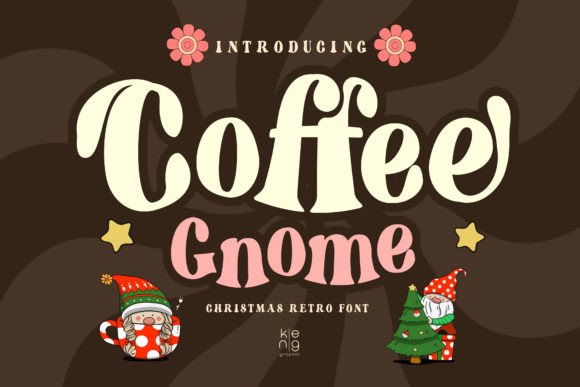
Coffee Gnome: A Vintage Font with Modern Appeal
Coffee Gnome is a vintage-style retro font that brings a nostalgic and artistic flair to any design project. With its clean lines and smooth curves, this display font captures the essence of mid-century typography while maintaining a contemporary feel. It’s ideal for those who want to add character without sacrificing readability or professionalism.
What Makes Coffee Gnome Unique?
The charm of Coffee Gnome lies in its ability to blend old-world aesthetics with modern functionality. Its PUA (Palette of Unicode) encoding ensures that all glyphs and ligatures are accessible across platforms and software, making it reliable and versatile for both print and digital use. Whether you're crafting a logo, designing a website, or creating marketing materials, Coffee Gnome can elevate your work with a touch of timeless elegance.
Aesthetic Versatility
This font isn’t just about looking good—it’s about fitting into the right context. The retro vibe of Coffee Gnome works especially well for branding in industries like coffee shops, vintage clothing stores, craft breweries, and independent bookstores. But its clean structure also makes it suitable for more refined applications such as editorial design or product packaging where simplicity meets personality.
Why Different Audiences Care About Coffee Gnome
While Coffee Gnome appeals to a broad audience, its value varies depending on how individuals use it. For some, it’s a tool for creativity; for others, it's a strategic choice for brand identity or customer engagement. Let’s explore how different professionals and hobbyists might find it useful.
For Beginners: A Simple Yet Expressive Choice
If you're new to graphic design or typography, Coffee Gnome offers an excellent starting point. Its retro style gives your designs a unique edge without being overly complex. You don’t need advanced skills to use it effectively—just pair it with complementary fonts and apply it to headlines, banners, or social media posts. For example, a beginner blogger might use Coffee Gnome to create a header for a post about vintage travel, instantly setting a warm and inviting tone.
For Experienced Designers: A Creative Asset
Seasoned designers often look for fonts that offer flexibility and visual appeal. Coffee Gnome fits the bill with its rich glyph set and ligature support, allowing for intricate customizations. Its PUA encoding ensures consistent rendering across Adobe Illustrator, Photoshop, Canva, and other tools. An experienced designer working on a client’s branding package could use Coffee Gnome to highlight key phrases in packaging or promotional materials, giving the brand a memorable and cohesive look.
For Entrepreneurs and Small Business Owners
Entrepreneurs understand the importance of first impressions. Coffee Gnome can be a powerful branding element for businesses aiming to evoke nostalgia or authenticity. A small coffee shop owner, for instance, might choose this font for their signage and menu boards to reflect a cozy, artisanal atmosphere. It’s also great for entrepreneurs launching products in lifestyle or handmade niches, where a personal and crafted feel is essential.
For Marketers and Bloggers
In the world of content marketing, visuals play a big role in grabbing attention. Coffee Gnome adds a distinctive touch to blog headers, email newsletters, or social media graphics. Its vintage aesthetic resonates with audiences interested in retro culture, sustainability, or artisanal goods. A marketer promoting a line of organic teas might use Coffee Gnome in Instagram ads to align with the theme of natural, time-honored ingredients.
For Educators and Content Creators
Educators and content creators often seek ways to make learning materials more engaging. Coffee Gnome can be used to emphasize key terms in infographics, presentations, or educational posters. Because of its legibility and stylistic balance, it works well in both digital and printed formats. For example, a teacher preparing a lesson on 20th-century art movements could use Coffee Gnome to label sections or highlight important names and dates.
Priorities That Shape How People Use Coffee Gnome
Depending on your goals, certain aspects of Coffee Gnome may matter more than others. Here’s how different priorities influence its usage:
- Quality and Readability: Professionals like marketers and educators prioritize clarity. They’ll likely use Coffee Gnome in moderation, ensuring it enhances rather than hinders communication.
- Cost and Licensing: Freelancers and small business owners may focus on licensing terms and affordability. If Coffee Gnome is available under a commercial license at a reasonable price, it becomes a valuable asset for long-term projects.
- Flexibility and Customization: Designers appreciate fonts that allow for creative freedom. The availability of ligatures and alternate characters in Coffee Gnome opens up opportunities for unique typographic treatments.
- Speed and Efficiency: For entrepreneurs managing multiple tasks, ease of implementation is key. Coffee Gnome’s compatibility with common design tools helps streamline workflows.
- Learning Value: Hobbyists and students benefit from fonts that teach them about historical styles and how to integrate them into modern contexts. Using Coffee Gnome in a design project can be a practical way to experiment with vintage typography.
- Commercial Value: Branding consultants and agencies consider whether a font supports a client’s market positioning. Coffee Gnome’s retro-chic style can help position a brand as authentic, artisanal, or community-focused.
Practical Applications Across Industries
Here are some real-world examples of how Coffee Gnome can be applied:
- Restaurant Menus: A brunch café might use Coffee Gnome for their seasonal menu titles to evoke a homey, nostalgic vibe.
- Product Packaging: A company selling handmade soaps or candles could incorporate this font into labels to suggest craftsmanship and tradition.
- Event Invitations: Wedding planners or event designers might select Coffee Gnome for rustic-themed invitations, adding warmth and charm.
- Book Covers: Authors writing in genres like mystery, history, or memoirs can use this font to give their covers a classic yet stylish appearance.
- Merchandise Design: T-shirt artists and screen printers can leverage Coffee Gnome for vintage-inspired slogans or brand logos.
How to Choose if Coffee Gnome Fits Your Needs
Deciding whether to use Coffee Gnome depends on several factors. Consider the following questions to determine if it aligns with your goals:
- Do I want to convey a sense of nostalgia or heritage in my design?
- Is my audience likely to respond positively to a retro aesthetic?
- Will the font remain legible in the context it’s being used?
- Am I looking for a font that’s easy to implement but still offers stylistic depth?
If these questions resonate with your project, then Coffee Gnome could be a perfect fit. However, if your design requires high contrast or bold statements, you might prefer a more modern sans-serif alternative.
Matching Skill Levels with Font Features
Font choices should reflect not only the design but also the user’s skill level. Coffee Gnome is accessible for beginners because it doesn’t require complicated layering or effects to look great. Meanwhile, advanced users will appreciate the opportunity to tweak spacing, adjust ligatures, or combine it with other vintage elements for a layered design effect.
Long-Term Value and Project Relevance
When evaluating fonts for long-term use, it’s important to consider how they age visually. While trends come and go, Coffee Gnome’s vintage roots give it staying power. It avoids the trap of feeling outdated by combining retro charm with clean, readable form. This balance means it can be part of a design for years to come without needing a complete overhaul.
Additionally, since it’s a display font, Coffee Gnome is best suited for short text and impactful headings rather than body copy. Understanding this limitation helps users apply it effectively and avoid overuse.
Examples for Long-Term Use
- Brand Identity: A boutique winery could use Coffee Gnome for their logo and bottle labels, creating a lasting impression rooted in tradition.
- Editorial Design: A magazine focused on vintage fashion might feature Coffee Gnome in pull quotes or chapter headings to maintain thematic consistency.
- Digital Media: A podcast host specializing in true crime or historical documentaries could use Coffee Gnome in thumbnails and episode titles to attract viewers with a retro feel.
Final Thoughts on Typographic Purpose
Choosing the right font is about more than just style—it’s about purpose. Coffee Gnome serves a specific role: it adds a retro touch without compromising usability. Its PUA encoding and glyph richness provide a seamless experience for those who want to explore vintage typography in a professional manner.
Whether you’re a small business owner building a brand, a designer seeking inspiration, or a content creator aiming to stand out, Coffee Gnome offers a compelling option. It’s a font that bridges past and present, offering a sense of familiarity while remaining adaptable to today’s design needs.